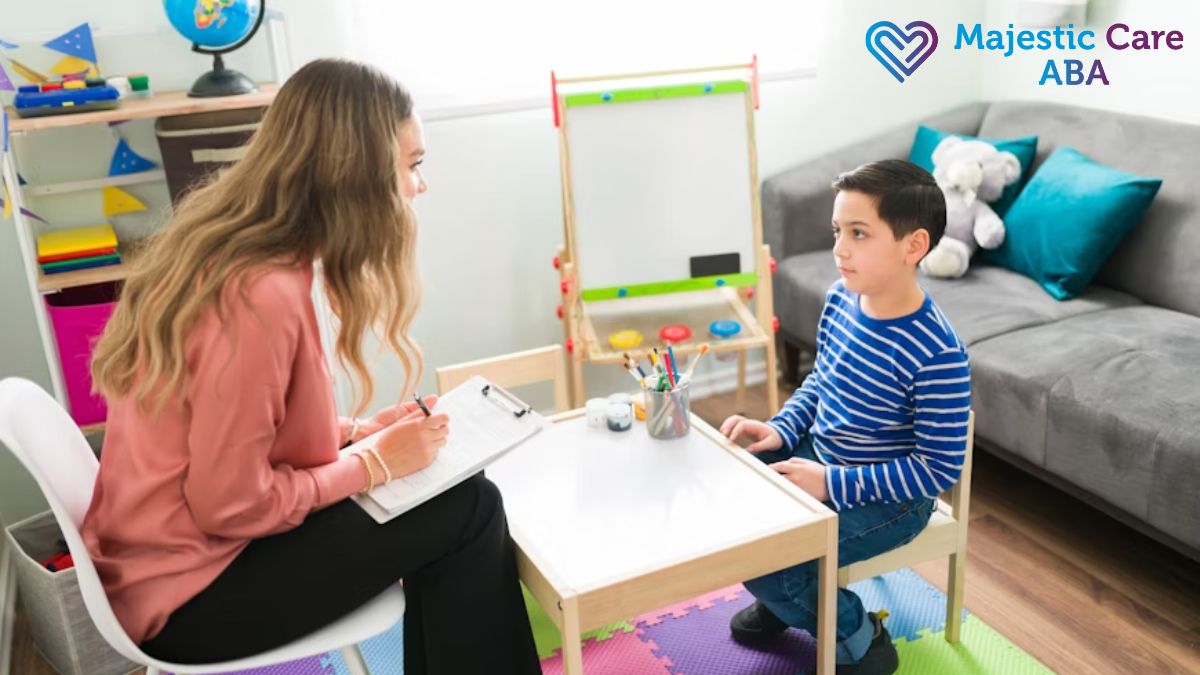

Key Points:

  • Empathy in autism can look different—not necessarily absent—and may include strong emotional resonance but difficulty with recognizing and responding.
  • Common misconceptions (e.g. “autistic people lack empathy”) stem from misunderstandings of cognitive vs. affective empathy and the double-empathy problem.
  • Support strategies that are concrete, structured, and relationship-based (e.g. modeling, script coaching, role play, emotional labeling) can help bridge social understanding and foster connection.

When parents search for “autism and empathy,” a frequent worry is: “Does my child not feel for others?” The truth is more complex. Many autistic individuals do care deeply, but experience and express empathy differently. Recognizing empathy challenges in autism means distinguishing between what is internal (feeling) versus what is external (reading cues, responding). In this article, we’ll walk through how empathy variations show up in autism, dispel common myths, and provide actionable support tips you can begin using today.

Let’s dig deeper so you, as a parent or caregiver, can feel confident in supporting your child’s social-emotional growth.

What Empathy Means — and How Autism Can Shift Its Expression

Before we get into “challenges,” it helps to define empathy clearly. Empathy generally comprises two core components:

  • Cognitive empathy (perspective-taking): understanding others’ thoughts, feelings, intentions
  • Affective (emotional) empathy: emotionally resonating or feeling what another feels

In many autistic people, the challenge lies primarily in cognitive empathy — the decoding, interpreting, and internalizing of cues — rather than a lack of emotional responsiveness.

Moreover, an idea called empathic disequilibrium describes a mismatch between affective and cognitive empathy. Some autistic individuals may feel emotions intensely (affective), but struggle to interpret or act on them (cognitively).

Another important concept is the Double Empathy Problem: many social misunderstandings between autistic and non-autistic individuals arise not purely from deficits on the autistic side, but from a two-way gap in understanding communication styles.

Lastly, alexithymia (difficulty identifying or naming one’s own emotions) appears more commonly in autistic populations and can complicate both empathy and emotional awareness.

In short: Many autistic individuals feel, sense, and care; they simply may struggle with interpreting facial expressions, reading social cues, labeling emotions, or responding in “expected” ways.

lack of empathy autism

Recognizing Empathy Challenges in Autism

Prior to applying support, we must be able to notice patterns in behavior that suggest empathy-related struggles. Below is a set of observed indicators (not exhaustive) that may point to empathy challenges in someone on the autism spectrum.

Signs and observations:

  • Difficulty naming or describing what someone else might feel, especially from subtle cues (tone, facial expression, body posture).
  • Responses that seem “off” or delayed: e.g. someone cries, but your child says “Are you okay?” rather than “You look sad.”
  • Emotional overwhelm or shutdown in social settings—especially if the person is absorbing others’ feelings too intensely (hyper-empathy).
  • Avoiding social or emotional conversations, especially in large groups or unpredictable settings.
  • Relying on logic over emotional reasoning: responding pragmatically (“You need to fix that”) rather than empathically (“That would upset me too”).
  • A mismatch between internal feeling and outward response — they feel but do not show it in expected ways (e.g. flat affect, no comforting gestures).
  • Overreliance on memorized scripts or social routines when interacting (e.g. learned phrases for “I’m sorry,” “That must feel bad”) rather than spontaneously generated empathy.
  • Inconsistent empathy: More comfortable showing concern for pets, siblings, or known people than strangers.
  • Emotional “shutdown” after heavy social interaction: needing recovery time, complaining of sensory or emotional exhaustion.

If you see several of these in your child or loved one, it’s a clue that empathy support (not assuming deficiency) may be worthwhile to integrate into learning goals or interventions.

lack of empathy autism

Common Misconceptions Around Empathy & Autism

Before offering support, it’s helpful to clear up misconceptions that often hamper both understanding and intervention.

Misconception #1: “Autistic people just don’t care.”

This hurts to hear. Many autistic individuals care deeply. The lack of expected social gestures or typical emotional expressions doesn’t mean a lack of caring. Often it’s about how one expresses it (or struggles to express it).

Misconception #2: “No empathy = bad person.”

Empathy capacity varies in all humans. Deficits in cognitive empathy do not equate to moral failings.

Misconception #3: “Teach emotional empathy and everything else will follow.”

It’s often easier (and more realistic) to build cognitive empathy skills (identifying cues, perspective-taking) than to teach deep emotional resonance. They tend to complement, but one doesn’t automatically fix the other.

Misconception #4: “The solution is just ‘be more social, read more’.”

That advice is vague and unhelpful. People on the spectrum usually benefit from structured, scaffolded, and repetitive approaches — often with support from ABA, social-cognitive training, or coaching.

Misconception #5: “It’s all about the autistic individual’s skills.”

Through the lens of the double empathy problem, meaningful communication arises when both sides adapt. It’s not all on the autistic person to change; caregivers, peers, teachers, and friends also can learn to frame, accommodate, and bridge.

lack of empathy autism

10 Support Tips: How to Help Foster Empathy, Social Understanding & Connection

When empathy challenges exist, you can proactively scaffold growth and emotional connection. The suggestions below are tailored for parents, caregivers, and behavior professionals. Adapt to your child’s developmental level and preferences.

Before each tip: understand where your child currently is socially and emotionally (baseline), and set incremental, measurable goals.

1. Emotion Labeling and Virtual “Emotional Dictionary”

Introduce or expand an emotion vocabulary. Use visuals, faces, icons, and stories (comic strips, pictures) to pair expressions with emotion words (“happy,” “sad,” “embarrassed,” “frustrated”).

Over time, teach more nuanced states (e.g. “disappointed,” “lonely”). Practice both labeling others’ emotions and their own.

2. Cue-Reading Practice (Facial and Body Language)

Use photo cards, short videos, or emotion flashcards. Pause scenes and ask: “What do you think she feels? Why do you say that?

Highlight body posture, facial cues, eyes, and tone. For example: “His shoulders are slumped and his lips are downturned — that often signals sadness.”

3. Perspective-Taking Scripts & Thought Bubbles

Use cartoons, photos, or real-life events. Add thought bubbles (“She is thinking…,” “I am feeling…”) to make inner states explicit.

Practice with guided prompts: “What would you feel if that happened to you?” Over time fade prompts.

4. Role-Play & Social Stories

Create structured scenarios: “Your friend dropped ice cream,” “A classmate looks upset,” etc.

Act them out and pause: talk through “What’s happening?” → “What might they feel?” → “What should I do?”

5. Video Modeling / Peer Modeling

Show videos of people responding empathetically in social contexts (especially ones close in age).

Discuss what was done well, then role-play a similar situation. Alternatively, supervise peer interactions (e.g. playdates) with deliberate modeling of empathic responses.

6. Self-Reflection and Check-In Time

Set a daily or weekly moment (morning, evening) for emotion check-ins:

  • “What made you feel happy today? What about being sad or frustrated?”
  • “Did you notice when someone else felt upset? What did you do?”

Journaling, drawing, or using apps or charts helps externalize internal experiences.

7. Scaffolding “Empathy Scripts” for Reactions

Pre-teach short, flexible phrases for empathetic response, such as:

  • “You seem upset; do you want to talk?”
  • “I’m sorry you feel that way.”
  • “I’d feel _____ if that happened to me.”

Over time, encourage adaptation rather than verbatim repetition.

8. Gradually Increase Social Complexity

Begin in low-stakes, familiar contexts (with family, siblings).

Then move to semi-structured contexts (small playgroups).

Finally, generalize to more spontaneous contexts at school or community settings. Always pre-teach or pre-cue what to expect.

9. Use Reinforcement and Positive Feedback

When your child successfully identifies or responds empathically, offer specific praise: “I liked how you asked, ‘Are you okay?’ after seeing tears.”

Use reinforcement systems (token economies, social praise) integrated into their learning plan.

10. Incorporate Emotion Regulation & Self-Care Skills

Because empathy work can be taxing (especially when hyper-empathic), teach calming strategies: deep breathing, visual breaks, sensory tools, or “pause and process” cues.

What ABA Therapy Adds to Empathy Support

Applied Behavior Analysis (ABA) provides a structured and data-driven approach to social-emotional learning. Here’s how ABA can support empathy work specifically:

  • Baseline assessment & skill breakdown: BCBAs can identify the current level of emotional recognition, cue-reading, and perspective-taking.
  • Task analysis and chaining: Empathy tasks (e.g. interpreting a sad face → labeling → response) can be broken into teachable steps, chained, and gradually faded.
  • Prompting and prompt fading: Use of visual, gestural, verbal prompts to scaffold empathy responses, then fade over time.
  • Reinforcement and generalization: Reinforce empathic behavior and systematically support transfer of empathy skills across settings, people, and contexts.
  • Data-driven decisions: Collect and analyze data (e.g. correct emotion identifications, empathic responses) to monitor progress and adjust teaching.
  • Personalization: Tailor empathy goals to the child’s preferences, interests, and social scenarios they most face.
  • Ethical and relationship-based approach: Many modern ABA practices emphasize building rapport, trust, and internal motivation — not rote “obedience.”

Because Majestic Care ABA is invested in holistic development, not just surface behavior, empathy-support strategies can be integrated into your child’s individualized behavior plan.

lack of empathy autism

Challenges, Pitfalls & Tips for Patience

Helping someone grow in empathy is slow and not linear. Be prepared for plateaus, regressions, and uneven progress. Keep these in mind:

  • Sensory or emotional overwhelm can regress progress: If the person is stressed, tired, or overstimulated, empathy training may backslide.
  • Masking or social fatigue: Some autistic individuals learn “masking”—presenting externally acceptable affect while feeling drained internally.
  • Comparisons are risky: Avoid constant comparison to siblings, typical developmental norms, or peers. Progress is relative and individualized.
  • Be careful with correction: Over-correcting or shaming “wrong” responses may discourage engagement. Use gentle feedback and scaffolding.
  • Focus on meaningful contexts: Don’t practice empathy only in artificial or isolated drills; anchor it to real relationships, daily life, and your child’s values.
  • Revisit and revise goals: As the child matures, emotional and social needs evolve. Adjust scripts, expectations, and levels of prompting.
  • Encourage self-advocacy: Over time, help your child explain to friends or classmates how they perceive and respond differently — that can ease misunderstanding.

Example Implementation: Weekly Empathy Plan

Here’s a sample framework you might adapt in collaboration with your clinician or BCBA:

Day Focus Goal Activity Reinforcement
Monday Emotion labeling Use 3 photo cards & ask “What’s this person feeling?” Token + praise for correct labeling
Wednesday Perspective-taking Read a short comic or story; pause and discuss “What might the character feel?” Sticker or social praise
Friday Role-play response Act out scenario (someone trips, someone looks anxious) Small reward for using an empathic phrase
Sunday Reflection check-in Emotion journaling / drawing what the child felt and what others felt Verbal praise + choice of preferred activity

Over weeks, increase complexity: more ambiguous cues, less prompting, generalize to peers, siblings, public settings.

Bridging Understanding Through Compassionate Support

Empathy in autism is not a binary: many autistic individuals feel deeply but may not express or decode empathy in conventional ways. Recognizing empathy challenges involves observing cue-reading difficulties, emotional overload, inconsistent responses, and reliance on scripts. Misconceptions like “autistic people don’t care” stem from narrow frames of social norms rather than empathy realities.

Practical supports—emotion labeling, role play, scripts, video modeling, perspective-taking exercises, and consistent reinforcement—offer a scaffolded path toward deeper social understanding and connection. ABA, when done thoughtfully, can embed these supports into daily routines and track progress.

Supporting empathy is less about “fixing a deficit” and more about building bridges of communication, emotional insight, and connection.

If you’re in need of tailored, compassionate ABA therapy that includes social-emotional and empathy support, consider Majestic Care ABA. We integrate empathy-building into our individualized behavior plans and work closely with families to strengthen social understanding and connection.

We currently serve families with ABA therapy in North Carolina, Colorado, and Indiana. If you’d like to explore how empathy support can be part of your child’s ABA program, get in touch with us today — we’d be glad to talk more and help you begin your journey.
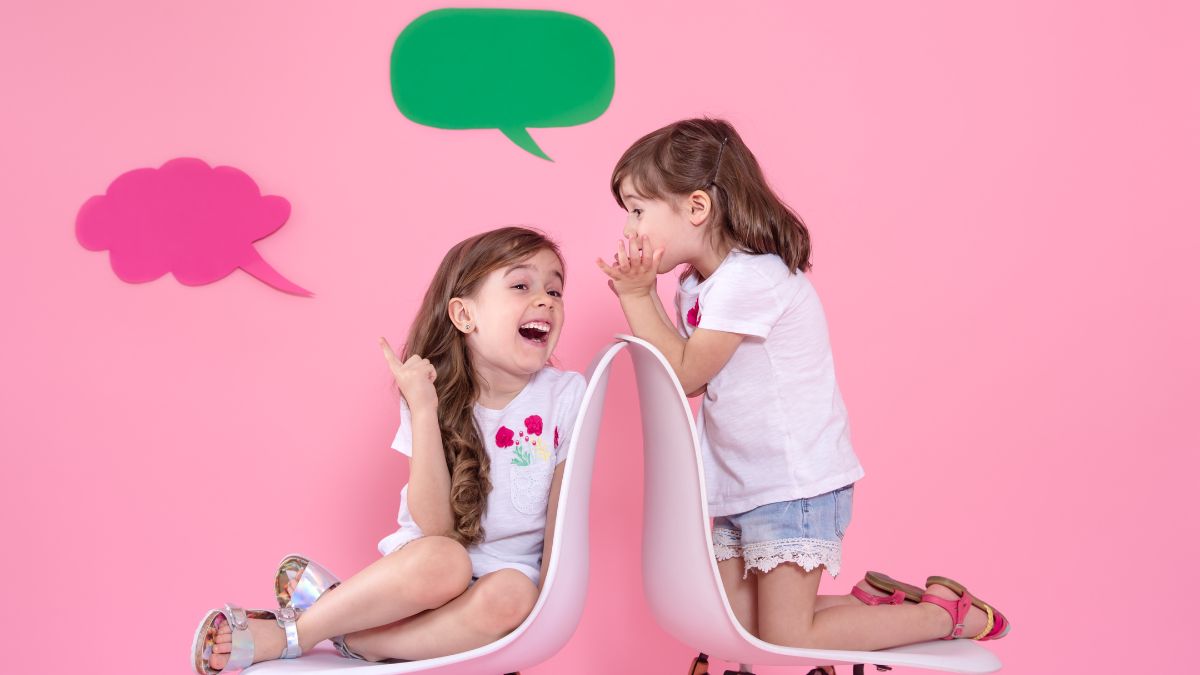

Language is more than words—it’s connection in motion. In Applied Behavior Analysis (ABA), understanding how verbal behavior works is key to unlocking communication potential. If you’ve ever wondered how therapists help children or individuals build meaningful speech patterns, learning about examples of verbal behavior ABA can make it all click.

These examples aren’t just textbook categories—they’re building blocks for communication, emotion, and independence. Let’s break down the main types of verbal behavior, explore how ABA therapy applies them, and look at the science-backed strategies that make these techniques so effective.

What Is Verbal Behavior in ABA Therapy?

Two girls holding books and engaging in animated conversation, illustrating examples of verbal behavior in ABA.

Verbal behavior refers to any form of communication—spoken, gestured, signed, or symbol-based—that achieves a social outcome. In ABA, the focus is not on words alone, but on how they function. Instead of simply labeling objects or repeating phrases, verbal behavior therapy dives into the “why” behind speech.

Developed from B.F. Skinner’s 1957 work Verbal Behavior, this approach helps individuals learn to use language in functional ways—requesting needs, sharing experiences, or responding to others. ABA professionals observe the context of speech and teach through structured reinforcement, helping clients form meaningful language connections step by step.

At its heart, verbal behavior ABA is about turning sounds into shared understanding.

The 6 Primary Types of Verbal Behavior

Verbal behavior is divided into distinct categories called operants. Each serves a unique purpose in communication. Below are the six primary types, along with simple, relatable examples you’ll recognize in daily interactions.

Type of Verbal Behavior Function or Purpose Example in ABA Therapy
Mand Requesting something needed or wanted Saying “cookie” to get a cookie
Tact Labeling or naming objects, people, or actions Pointing and saying “dog” when seeing a dog
Echoic Repeating what someone else says The therapist says “ball,” and the client repeats “ball.”
Intraverbal Responding to another’s verbal cue “What’s your name?” → “Liam”
Listener Responding (Receptive) Following verbal directions Hearing “Clap your hands” → clapping
Autoclitic Adding details or modifying other verbal responses Saying “I think” or “Maybe it’s red”

Each operant plays a role in building functional communication. By practicing them in structured and natural settings, individuals learn to speak with purpose, not just repeat words.

1. Mands: The Power of Asking

A young girl against a yellow background holding an illustration of a large megaphone, demonstrating verbal behavior in ABA.
Little Girl Megaphone Positive Shoot

Imagine communication starting with a need—hunger, comfort, or curiosity. Mands represent requests, and they are often the first verbal behaviors taught in therapy.

For example, when a child learns to say “juice” to receive juice, that’s a mand. The power of minds lies in motivation. They connect language directly to outcomes, reinforcing the idea that speaking up gets results.

Therapists use motivating operations—conditions that make a request meaningful—to teach mands naturally. Research shows that early mastery of mands often accelerates broader language development. Once individuals understand that words produce results, their drive to communicate grows exponentially.

In short: mands make communication rewarding.

2. Tacts: Naming the World Around Us

Two boys engaging in a joyful exchange with a talk bubble above them; one boy is holding a cup toward the camera, illustrating verbal behavior in ABA.

Facts are how we describe the world. When a child sees a dog and says, “dog,” that’s a tact. Unlike mands, tacts aren’t driven by desire; they’re about sharing information.

In ABA therapy, tacts are taught through repetition and reinforcement. A therapist might show a picture of a cat and say, “What is this? ” The child answers “cat,” earning praise or a token reward. Over time, tactics expand vocabulary and strengthen descriptive language.

Studies have shown that consistent tact training helps children with autism spectrum disorder (ASD) generalize words across settings—from therapy rooms to real-world contexts. This means the word “dog” isn’t just a sound anymore—it’s a meaningful label that connects to lived experience.

3. Echoics: The Building Blocks of Speech

Echoics are repetitions—the ability to imitate spoken words or sounds. They’re foundational for verbal learning because imitation bridges listening and speaking.

In practice, a therapist says “ball,” and the client repeats it. But beyond imitation, echoics build phonemic awareness—the understanding that sounds form language.

A 2022 study found that children who practiced echoic repetition for 12 weeks improved speech clarity by over 35%. This progress often leads to better pronunciation, attention, and eventual conversation skills.

By turning repetition into rhythm, echoic training helps speech sound natural, not mechanical.

4. Intraverbals: The Heart of Conversation

Here’s where communication becomes dynamic. Intraverbals are responses to verbal prompts—the back-and-forth rhythm of conversation.

For example:

  • Therapist: “What do you wear on your feet? ”
  • Client: “Shoes.”

Intraverbals teach social reciprocity—the give-and-take of dialogue. They help individuals build reciprocal communication, a skill essential for relationships, learning, and emotional connection.

Therapists use fill-in-the-blank games, question-answer drills, or storytelling to develop this skill. Once intraverbals are in place, conversations start to flow naturally.

Isn’t that the essence of communication—not just speaking, but connecting?

5. Listener Responding: Understanding Comes First

Before anyone can talk effectively, they must understand others. Listener responding (or receptive language) focuses on comprehending instructions and reactions.

For instance, when a therapist says, “Touch your head,” and the client does it—that’s the listener responding. It’s how individuals process and act on verbal input.

ABA therapists teach this through modeling, play-based interaction, and task variation. Studies indicate that receptive language training enhances both compliance and emotional growth by fostering a sense of awareness and confidence.

This form of verbal behavior builds the groundwork for functional communication—where listening and responding work hand in hand.

6. Autoclitics: Refining Language with Meaning

Autoclitics might sound complex, but they’re simply modifiers—the glue that gives structure and nuance to speech.

Consider the difference between saying “red car” and “I think it’s a red car.” The second example adds an autoclitic, expressing uncertainty or reflection.

Teaching autoclitics in ABA therapy helps individuals communicate thoughts, not just facts. It refines how they express opinions, time, and perspective. Over time, this leads to more mature, flexible communication skills—essential for independence and social interaction.

Bringing It Together: Functional Communication in Motion

Each type of verbal behavior builds upon the next. When combined, they form a fluid system of communication—from requesting to describing to conversing.

Therapists often blend these operants within sessions. A single activity, like playing with toys, may involve all six:

  • The child demandsa toy (“ball!”).
  • Tacts its color (“red ball”)
  • Echoes new words (“bounce”)
  • Answers a question (intraverbal)
  • Follows a direction (listener responding)
  • Adds a detail (autoclitic: “I think it’s soft”)

This integrated approach transforms speech from isolated words into meaningful dialogue.

Proven Techniques in Verbal Behavior ABA

Effective verbal behavior programs rely on structured, evidence-based strategies. Here are key techniques used to strengthen language acquisition:

1. Discrete Trial Training (DTT)

Therapists break skills into small, teachable steps with clear prompts and reinforcements. It’s ideal for beginners learning foundational verbal operants like mands and tacts.

2. Natural Environment Teaching (NET)

Language happens in real-life settings—playgrounds, classrooms, and homes. NET uses spontaneous opportunities to teach verbal behavior during natural routines.

3. Incidental Teaching

This method relies on motivation. When a child shows interest in an item, the therapist prompts a verbal response before granting access—reinforcing communication through desire.

4. Verbal Behavior Milestones Assessment (VB-MAPP)

A structured tool to assess progress in verbal and social communication. It helps therapists individualize programs and track mastery across different operants.

5. Reinforcement Strategies

Positive reinforcement—verbal praise, tokens, or play—strengthens desired verbal responses. Studies show consistent reinforcement boosts response rates by over 60% within 10 sessions.

The Science Behind Success

Modern studies validate verbal behavior therapy as one of the most effective language interventions within ABA. According to a 2023 clinical review, children participating in verbal behavior programs demonstrated improvements in spontaneous communication by up to 45% within six months.

Neuroscientific evidence supports this too—verbal training activates regions in the brain responsible for social cognition and motivation, not just speech production. In other words, the therapy helps individuals want to communicate, not just learn how to.

That’s the magic of verbal behavior ABA—it transforms communication into connection.

Frequently Asked Questions

1. What’s the main goal of verbal behavior therapy in ABA?

The goal is to help individuals use language functionally—to request, label, respond, and engage in real conversation that meets their daily needs.

2. How is verbal behavior different from speech therapy?

Speech therapy focuses on articulation and pronunciation. Verbal behavior therapy focuses on function—teaching why we say something, not just how.

3. Can verbal behavior therapy be used for nonverbal individuals?

Yes. Therapists adapt it using gestures, picture exchange systems, or assistive devices to promote reciprocal communication and interaction.

4. What’s the first verbal behavior usually taught?

Typically, mands—because they’re tied to motivation. Learning that speaking up gets results encourages further communication.

5. How do I find verbal behavior therapy near me?

You can search “ABA verbal behavior clinics near me” to locate certified practitioners who specialize in functional communication training.

Building Meaningful Connections Through Verbal Behavior

Every meaningful conversation starts with a single sound—a word that connects two people. Majestic Care ABA utilizes verbal behavior ABA to transform simple sounds into purpose, emotion, and genuine understanding. The heart of their approach lies in nurturing communication that feels natural and empowering, creating steady progress through positive engagement and proven ABA techniques.

From asking for help to sharing joy, verbal behavior therapy doesn’t just teach language; it teaches connection—something Majestic Care ABA proudly fosters for families and individuals across Colorado. Whether you’re exploring ABA for the first time or seeking ways to strengthen communication growth, our team is here to guide you every step of the way.

Reach out to us today to discover how personalized ABA strategies can make every word—spoken, signed, or shared—a bridge toward meaningful connection.

Key Points:

  • Asperger’s and autism fall under the same spectrum but differ in language, cognition, and social presentation.
  • Children with Asperger’s often have strong verbal skills but face significant social challenges.
  • Understanding both conditions helps families create supportive environments and access therapies like ABA that foster independence.

Understanding the nuances between Asperger’s and autism can feel overwhelming for many parents. While both belong to the autism spectrum, the ways they affect communication, thinking, and daily life can look very different. Recognizing these distinctions helps caregivers support children more effectively and access interventions tailored to their needs. This guide explores Asperger’s vs autism symptoms, challenges, and insights—and how evidence-based care like Applied Behavior Analysis (ABA) therapy can make a difference.

What is Asperger’s Syndrome?

Before 2013, Asperger’s syndrome was a standalone diagnosis describing individuals with social communication challenges but average to above-average intelligence and no major speech delays. Today, the term has been merged into the broader category of Autism Spectrum Disorder (ASD) in the DSM-5. However, many people and professionals still use “Asperger’s” informally to describe a specific presentation within the spectrum.

Children with Asperger’s typically develop language on time but may struggle with social reciprocity—for example, knowing when to join a conversation, understanding sarcasm, or recognizing facial expressions. They often have deep interests in specific subjects, prefer routine, and can be highly logical thinkers.

How Asperger’s Differs From Autism

While Asperger’s is part of the autism spectrum, there are notable distinctions that can help families and educators tailor support.

1. Language Development

Children with Asperger’s usually speak within expected developmental milestones. In contrast, children with other forms of autism may have delayed speech or remain nonverbal. However, strong verbal skills in Asperger’s don’t always mean effective communication—many children speak fluently but struggle with the social context of conversation.

2. Cognitive Abilities

Asperger’s often involves average or above-average IQ. These children can show advanced skills in certain areas like math, music, or memorization. On the other hand, autism may present a broader cognitive range—some children have intellectual disabilities, while others are gifted.

3. Social Understanding

Social difficulty is central to both, but it manifests differently. Children with Asperger’s may want to connect but find social rules confusing, while children with more pronounced autism traits might be less motivated to engage or may struggle with joint attention altogether.

4. Repetitive Behaviors and Interests

Both may show repetitive movements or fixations, but children with Asperger’s tend to have more specific, intellectual interests—like memorizing maps or studying astronomy—rather than purely sensory-focused routines.

5. Sensory Processing

Sensory sensitivities are common across the spectrum. Children may be hypersensitive to sounds, textures, or light. In Asperger’s, sensory issues can still be intense but may appear more selective or linked to specific triggers.

Common Symptoms in Asperger’s and Autism

Both conditions share core characteristics in social communication, behavior, and sensory processing. But recognizing subtle signs early can guide families toward timely intervention.

Social and Communication Challenges

  • Difficulty interpreting tone or facial cues: A child might misread sarcasm or appear unaware of others’ emotions.
  • Literal interpretation of language: Phrases like “break a leg” can cause confusion.
  • Monologues instead of dialogues: Children may talk at length about their interests without noticing if others are engaged.

Behavioral and Sensory Patterns

  • Rigid adherence to routines: Even small changes can lead to distress.
  • Repetitive movements: Hand-flapping, pacing, or rocking may serve as self-regulation.
  • Focused interests: Some children develop encyclopedic knowledge of specific topics, providing comfort and predictability.

Emotional Regulation Difficulties

  • Meltdowns or shutdowns: These can occur when overwhelmed by sensory input or unexpected social situations.
  • Anxiety and perfectionism: Especially in children with Asperger’s who are aware of their social struggles but unsure how to navigate them.

aspergers vs autism

Daily Challenges Families Often Encounter

Parenting a child on the spectrum involves unique joys and stressors. Understanding daily hurdles helps caregivers create proactive strategies rather than reactive responses.

1. Navigating School Environments

Children with Asperger’s or autism may find traditional classrooms challenging. Noise, group work, or shifting expectations can overwhelm their senses or executive functioning skills. Individualized Education Programs (IEPs) and structured routines often help bridge the gap.

2. Building Friendships

Social interactions can be confusing or draining. Parents often notice their child prefers parallel play or struggles to interpret body language. Social skills training—especially when guided by ABA therapists—can build confidence and teach reciprocal communication.

3. Managing Transitions

Even routine changes, like a new route to school, can trigger stress. Visual schedules and advance preparation help children adjust smoothly.

4. Addressing Emotional Sensitivity

Emotional dysregulation is common. Some children cry easily, while others withdraw when frustrated. Teaching coping strategies through modeling or behavioral therapy can support resilience.

aspergers vs autism

Practical Insights: Helping Children Thrive

Families often ask what daily habits or therapies make the biggest difference. Below are several practical approaches that have shown meaningful progress for many children with Asperger’s or autism.

1. Create Predictability

A consistent schedule helps reduce anxiety. Visual calendars and clear routines let children know what to expect, decreasing the likelihood of meltdowns.

2. Encourage Strengths-Based Learning

Lean into your child’s interests. If they love trains, use train-themed math problems or stories to motivate engagement. This builds learning confidence and self-esteem.

3. Model and Reinforce Social Skills

Role-playing greetings, taking turns, or showing empathy can help children generalize these behaviors to real-life settings. Applied Behavior Analysis (ABA) therapy is particularly effective in teaching these incremental skills.

4. Support Emotional Expression

Labeling emotions and practicing calming strategies (like deep breathing or quiet time) can help children recognize feelings before they escalate.

5. Collaborate With Professionals

Working closely with teachers, speech therapists, and behavior analysts creates a unified approach that keeps children supported across settings.

How ABA Therapy Supports Children With Asperger’s and Autism

Applied Behavior Analysis (ABA) therapy is one of the most researched and effective approaches for children across the autism spectrum—including those with Asperger’s. ABA focuses on understanding why behaviors occur and teaching alternative, functional skills.

Key benefits of ABA therapy include:

  1. Improved Communication Skills: ABA helps children express their needs clearly—whether through speech, pictures, or devices—reducing frustration-driven behaviors.
  2. Social Skill Development: Therapists use role-play, reinforcement, and structured teaching to help children navigate social interactions naturally and confidently.
  3. Behavior Management: Instead of punishing unwanted behavior, ABA identifies triggers and teaches positive alternatives, improving independence and emotional control.
  4. Increased Daily Functioning: From dressing and eating to managing transitions, ABA programs are individualized to meet each child’s developmental level and goals.

Families who choose ABA through providers like Majestic Care ABA often report steady progress in communication, learning, and overall quality of life.

aspergers vs autism

Why Early Understanding Matters

Early awareness empowers families. The sooner parents recognize social or behavioral differences, the sooner they can seek evaluation and support. This doesn’t mean rushing to label your child—it means understanding how they see and experience the world. When caregivers adjust expectations and environments based on that understanding, children thrive.

Final Thoughts: Supporting Growth With Compassion and Evidence-Based Care

Understanding the differences between Asperger’s and autism isn’t about categorizing children—it’s about uncovering the most effective ways to support them. With the right guidance, each child can build confidence, communication, and meaningful relationships.

At Majestic Care ABA, we specialize in evidence-based ABA therapy designed to meet children where they are and help them grow. Our compassionate team provides ABA therapy in Colorado, Indiana, and North Carolina to help your child gain the skills to thrive at home, in school, and beyond. Contact us today to learn how our ABA therapy programs can support your child’s journey.

The way we see shapes is how we connect with the world. For many autistic people, vision works a little differently. Colors might pop too bright, patterns may seem overwhelming, or light could feel sharp and distracting. These differences are often described as visual sensory issues autism, and they play a big role in how daily life feels.

Research suggests that most individuals on the autism spectrum experience some kind of sensory difference, with vision being one of the most common (Robertson & Baron-Cohen, 2017). But what does that mean day to day? Imagine the world as a puzzle with missing pieces—or sometimes extra ones. It can be confusing, but it can also lead to strengths, such as noticing tiny details or excelling in creative visual work.

So, let’s break this down together. We’ll explore what science knows, look at real-life signs, and share practical strategies to make visual experiences calmer, clearer, and more supportive.

What Are Visual Sensory Issues in Autism?

A boy with autism, shown in blurred focus to reflect visual sensory issues, looks downward as if capturing fast motion within stillness.

Visual sensory issues are not about eyesight itself. They’re about how the brain processes what the eyes see. For autistic individuals, that processing may be too strong, too weak, or simply different from what’s typical.

A 2020 review in the Journal of the Korean Academy of Child and Adolescent Psychiatry found differences in the way autistic brains handle early visual information. In plain words, even the first step of “seeing” feels different. This affects everything from recognizing faces to walking through busy places.

Key points to keep in mind:

  • Glasses don’t solve it—it’s not about eye strength.
  • It’s about how the brain filters and organizes what the eyes take in.
  • Challenges often come with strengths, like noticing fine details.

Examples of Visual Sensory Issues Autism Can Present

Each person’s experience is unique, but research has mapped common patterns:

  • Light sensitivity (photophobia): Bright or fluorescent lights feel harsh and distracting.
  • Motion sensitivity: Fast visuals like fans or scrolling screens can overwhelm.
  • Pattern sensitivity: Grids, stripes, or repeated shapes may trigger discomfort.
  • Color sensitivity: Certain shades feel “too much” or cause strong reactions.
  • Difficulty with eye contact: Not always about shyness—it can feel visually overwhelming.
  • Peripheral vision focus: Looking from the side may feel easier than looking straight on.

A study from the University of Manchester (Parmar et al., 2021) found that autistic adults reported motion, patterns, and colors as top sources of discomfort. Yet, many created their own coping methods—like wearing sunglasses indoors or focusing on calming shapes.

Why Vision Plays Such a Big Role in Autism

Think about how often you rely on sight—reading, walking, or recognizing a friend’s face. When those processes feel different, the impact spreads across life.

  • Motor skills: Trouble judging depth may make running or catching harder.
  • Learning: Tracking words on a page can slow down reading.
  • Social skills: Missing facial cues affects conversations.

In fact, Jones et al. (2009) showed that autistic children often focus more on objects than faces. That shift in attention influences how social signals are understood.

Real-Life Signs of Visual Sensory Differences

A boy with autism, showing visual sensory issues, stands with his back to the camera while focusing on a circular target board on the wall.

So, how do these challenges look in everyday life? Parents, educators, and individuals often notice:

  • Staring at spinning objects or lights.
  • Tilting the head or looking sideways.
  • Rubbing or covering the eyes.
  • Avoiding busy places like malls.
  • Squinting in bright sunlight.
  • Zeroing in on small details, like wheels instead of whole toys.

These aren’t random quirks. They’re meaningful ways of making sense of a world that can feel visually intense.

Table: Common Visual Behaviors in Autism

Behavior Possible Meaning Example Situation
Side glancing Direct focus feels too strong Looking at toys sideways
Staring at lights Comfort or self-regulation Watching ceiling fan blades
Avoiding eye contact Too much visual intensity Looking away in conversation
Squinting or rubbing Light sensitivity Covering eyes under bulbs
Focusing on patterns Detail preference Tracing lines on wallpaper

The Science Behind Visual Processing in Autism

So, why does the brain handle sight differently?

  • Brain imaging shows differences in the primary visual cortex, the area that first processes vision.
  • Research suggests autistic people often rely more on the ventral stream (detail processing) than the dorsal stream (motion and spatial awareness).

This helps explain why some excel at spotting tiny details but struggle with “big picture” vision. For some, this becomes a strength in art, design, or engineering.

Positive Outcomes Linked to Visual Differences

While many studies focus on challenges, it’s just as important to highlight strengths. Visual differences can create unique talents:

  • Detail recognition: Spotting small differences others miss.
  • Artistic ability: Many autistic artists excel in drawing or digital design thanks to strong visual memory.
  • Problem-solving: Detecting patterns can support success in math or coding.

Temple Grandin, a scientist and autistic advocate, has often said she “thinks in pictures.” That visual-first perspective helped her redesign livestock handling systems used worldwide.

Coping Strategies That Work

What helps when vision feels overwhelming? Research and personal stories point to small but powerful changes:

  • Wearing tinted lenses or sunglasses indoors.
  • Choosing seats away from bright windows or bulbs.
  • Keeping classroom walls simple and clutter-free.
  • Allowing visual breaks—pausing to close eyes or look at calming images.
  • Using visual schedules with clear pictures.

A 2018 study by Little suggested that tinted lenses and vision therapy reduced eye strain and boosted focus in children with autism. Sometimes, even small changes—like softer lighting—make daily life easier.

How Families and Educators Can Support Positive Vision Experiences

Support doesn’t need to be complicated. A few thoughtful changes can transform learning and home environments:

  • Use natural lighting whenever possible.
  • Break down tasks into simple visual steps.
  • Limit bold patterns in classrooms.
  • Create calm corners with dimmer light.

These adjustments lower stress, boost focus, and create inclusive spaces.

Visual Sensory Issues Autism: Looking Ahead

Some studies suggest that unusual visual patterns appear even before a formal autism diagnosis (Chung & Son, 2020). Spotting early signs—like staring at lights or avoiding faces—may help families seek support sooner.

Future research continues to explore where in the brain these differences begin. Yet, the voices of autistic adults remind us that science only tells part of the story. Daily lived experience shows what it actually feels like and how strategies can make life better.

FAQs

1. Can visual sensory issues improve over time?

Yes, many autistic people notice changes as they grow. Strategies such as tinted lenses or structured environments help the brain adapt.

2. Do all autistic people experience visual sensory challenges?

Not everyone. About 70–90% have some sensory difference, but intensity and form vary.

3. Are visual sensory issues linked to intelligence?

No. They reflect processing differences, not intelligence. In fact, some turn them into strengths in creative or technical work.

4. Why do some autistic people look more at objects than faces?

Objects are often easier to process than rapidly changing human expressions.

5. What classroom change helps the most?

Steady, soft lighting and clutter-free walls usually reduce visual stress. Many also benefit from clear visual schedules.

Seeing the World Through Unique Lenses

A spinning amusement park ride in fast motion, blurred against the dark sky, represents visual sensory issues in autism.

Vision guides how we move, learn, and connect. For autistic individuals, visual sensory issues from autism bring both challenges and strengths. At Majestic Care ABA, we believe these differences call for understanding, not limits.

From light sensitivity to remarkable detail recognition, each person’s way of seeing is unique. Science continues to uncover the “why,” but lived experiences already show us what works: small changes, practical support, and celebrating visual strengths.

Families across Indiana and beyond are learning that with the right strategies, daily life can feel calmer and more connected. That’s the heart of our work at Majestic Care ABA. We’re here to walk alongside families, share practical solutions, and provide tailored support.

If you’re ready to see how personalized ABA services can help your child thrive, reach out to us today. Together, we can unlock not only comfort but also creativity, confidence, and connection.

ABA therapy is often seen as the gold standard for helping children on the autism spectrum, but many parents think of it only in terms of behavioral improvements. The truth? Its benefits go much deeper than reducing meltdowns or teaching compliance. ABA therapy can unlock communication, social connections, independence, and even academic growth. Families who embrace it early often notice ripple effects across every part of their child’s life.

But what if the most powerful benefits aren’t the ones you expect? What if ABA results show that beyond behavior modification, children thrive in ways that bring lifelong value? Let’s explore five surprising benefits of ABA therapy that go far beyond behavioral change.

Benefit #1: Boosting Communication in Everyday Life

In an ABA therapy session, a young girl receives instruction for a puzzle lesson in a quiet, focused moment.

Communication is one of the biggest challenges for children with autism. Research published in PeerJ shows that 40% to 70% of children diagnosed with autism experience delays in language development. These may look like self-talk, parroting, or little to no speech at all.

ABA therapy tackles this challenge by breaking down communication into small, easy-to-learn steps. Instead of expecting a child to master full sentences, therapists start with sound imitation, picture cards, or single words. Think of it like building a staircase instead of asking a child to leap to the top floor.

How does this look in practice?

  • A child who once pointed and cried for juice learns to say “juice” or hand over a picture card.
  • Another child practices fill-in-the-blank songs: “The wheels on the bus go…” and proudly completes it with “round and round! ”
  • Some begin using AAC devices, tapping icons to request their favorite toy.

The results are remarkable. In fact, studies show that children in early intensive ABA programs often develop functional speech who might otherwise stay nonverbal. What’s more? These gains spill over into relationships. When a child can finally share their thoughts, laughter, or even a simple “I love you,” it changes everything.

Benefit #2: Unlocking Social Connections

Imagine being dropped into a foreign country without knowing the language or customs. That’s how many children with autism feel during social interactions. Reading cues, taking turns, or knowing when to jump into a conversation doesn’t come naturally.

This is where ABA therapy shines. Social skills development is woven into sessions using clear modeling, role-play, and practice in natural settings. The goal isn’t to change personality. It’s to give kids the tools to connect in their own way.

Skills ABA therapy often builds include:

  • Recognizing emotions on faces
  • Taking turns in games or conversations
  • Understanding personal space
  • Knowing when to join or exit a group activity

Real-world application makes the difference. A therapist may practice greetings during snack time or role-play birthday party scenarios to prepare for an upcoming invite. Over time, these rehearsals lead to real inclusion—playdates, friendships, and group activities.

Parents often describe these milestones as “game-changers.” Suddenly, their child isn’t just watching from the sidelines. They’re in the mix, laughing and engaging. Isn’t that what every parent dreams of?

Benefit #3: Building Independence Through Life Skills Development

Independence isn’t just a milestone; it’s freedom. From brushing teeth to making a simple snack, life skills development is key to building confidence. ABA therapy for autism teaches these daily routines step by step, ensuring that kids can handle them on their own.

Here’s how it works:

  • Task analysis breaks down an activity, like brushing teeth, into small steps: pick up toothbrush, add toothpaste, brush top teeth, brush bottom teeth, rinse.
  • Visual supports guide the child, often using charts or picture cues.
  • Reinforcement celebrates small wins, whether that’s brushing for 20 seconds or putting toothpaste on the brush independently.

Imagine your child proudly dressing themselves for school or washing their hands without reminders. These are small wins that add up to life-changing confidence.

Parents often notice family stress melting away as children become more independent. Morning routines take less time. Bedtime feels smoother. Best of all, kids beam with pride knowing, I can do this myself.

Benefit #4: Academic Gains That Last

Did you know that ABA therapy can actually boost academic performance? While many focus on its behavioral side, the truth is that ABA helps with focus, comprehension, and learning in school.

By breaking down lessons into smaller steps and tailoring strategies to each child’s learning style, ABA creates a bridge between abilities and classroom demands. A child who once struggled to sit through circle time can now listen and respond. Another who resisted writing might practice tracing letters with built-in reinforcement until it clicks.

Academic strategies ABA uses include:

  • Visual supports for reading comprehension
  • Breaking math problems into smaller parts
  • Using reinforcement for task completion
  • Practicing attention-building games before lessons

A study in the Journal of Autism and Developmental Disorders revealed that children who received early ABA showed substantial gains in intellectual functioning and language abilities. These results didn’t fade. Many lasted well into school years.

For families, that means confidence when report cards come home. Imagine your child raising their hand in class, finishing homework with less stress, or smiling as they get a gold star. That’s the power of ABA results in action.

Benefit #5: Emotional Regulation and Coping Skills

Have you ever felt overwhelmed with emotions and struggled to calm down? For many autistic children, that’s daily life. Emotional regulation doesn’t come naturally—but ABA therapy equips children with tools to manage these feelings.

Therapists use visuals, modeling, and role-play to help children recognize emotions. They teach coping strategies like deep breathing, asking for breaks, or using calming corners. Over time, children learn to identify triggers and respond in healthier ways.

Examples of ABA strategies for emotional regulation:

  • Social stories that explain feelings and responses
  • Practicing “pause and breathe” techniques before reacting
  • Teaching alternative behaviors, like using words instead of tantrums

The result? Less frustration, fewer outbursts, and greater confidence in navigating the world. Parents often describe their child as “calmer” and “more flexible” after consistent ABA. Emotional control doesn’t just make life smoother at home—it prepares children for school, friendships, and future independence.

Skill Development Strategies in Clinic-Based ABA Therapy

In an ABA therapy session, a female therapist guides a young boy in a matching puzzle game during a focused moment.

In clinic-based ABA therapy, children experience structured sessions filled with engaging activities. Some strategies include:

  • Language-rich play: Narrating actions during play to build vocabulary.
  • Role-playing scenarios: Practicing real-life situations like grocery shopping or ordering food.
  • Matching and sorting games: Strengthening memory, focus, and pattern recognition.
  • Sensory bins: Encouraging tolerance for new textures and sensations.
  • Storytelling: Teaching emotions and social skills through relatable characters.

These methods make learning fun while creating opportunities for lasting growth.

Beyond Behavioral Improvements: Real-Life Examples

Behavior modification through ABA therapy often surprises parents with its ripple effect. Take a child who hits when frustrated. By teaching them to say, “I need help,” aggression decreases. Or a child who melts down during transitions—through consistent visual schedules, they learn to move smoothly from one activity to another.

One parent in North Carolina reported that her child went from daily tantrums to calmly requesting breaks within three months of starting ABA. Another in Indiana shared how her son, once nonverbal, now communicates his needs using simple phrases after six months of therapy.

These aren’t isolated cases. They reflect what thousands of families experience when consistent, data-driven ABA strategies are applied.

How ABA Therapy Fuels Academic Growth

Beyond behavior, ABA therapy plays a powerful role in shaping a child’s academic journey, with research showing measurable gains in learning, focus, and school readiness.

  • Proven Results in Research

Studies, including O. Ivar Lovaas’ landmark 1987 work found that up to 90% of children in intensive ABA made significant developmental progress.

  • Boosts IQ and Communication

A meta-analysis of 29 studies revealed moderate to high improvements in IQ (g=0.740) and communication (g=0.650), both essential for classroom learning.

  • Step-by-Step Learning Approach

ABA therapy breaks academic tasks into smaller, achievable steps while reinforcing focus, self-regulation, and positive behaviors—skills that enhance classroom performance.

  • Long-Term Academic Benefits

Early and consistent ABA, especially before age four, improves adaptive behavior, social skills, and readiness for academic success.

  • Family Involvement Matters

With parents reinforcing strategies at home, children maintain skills across settings, further strengthening learning and school achievements.

ABA Therapy in Indiana and North Carolina: What to Look For

If you’re searching for ABA therapy in Indiana or ABA therapy in North Carolina, it helps to know what to look for. Quality programs share key traits:

  • Personalized plans: Every child is unique. Goals should reflect your child’s strengths and needs.
  • Board-certified behavior analysts (BCBAs): These professionals design and oversee therapy.
  • Family collaboration: Parents should feel included in goal-setting and progress updates.
  • Variety of settings: Look for clinics that also support ABA therapy at home and school environments for consistency.

Searching “ABA clinics near me” or “ABA therapists near me” is a good start, but always ask how progress is measured and celebrated. The best clinics focus on skill development that extends beyond therapy walls into everyday life.

FAQs

How does ABA therapy reduce stress and anxiety?

ABA therapy teaches students coping tools to manage emotions, handle social changes, stay calm, reduce meltdowns, and improve focus for learning and growth.

Can ABA therapy help with transitions like starting school?

Yes! ABA often includes practice with routines, social rules, and coping skills that make school transitions smoother and less stressful.

Does ABA therapy work outside the clinic?

Absolutely. Skills are designed to generalize. That means a child who practices turn-taking in therapy will use it during playdates or recess.

Does ABA therapy focus on skill building or symptom masking?

ABA therapy emphasizes lasting skill building—teaching communication, independence, and coping strategies—rather than masking autism symptoms.

How do therapists measure ABA results?

Therapists track progress with data. Every skill taught is recorded and reviewed to see what’s working and where adjustments are needed—keeping therapy effective and personalized.

Conclusion: Building Brighter Futures Together

In an ABA therapy session, a young girl bakes in the kitchen, looking happy, proud, and capable.

At Majestic Care ABA, families discover that therapy is more than behavior—it’s communication, social growth, independence, academics, and emotional regulation. Early intervention often leads to lasting autism improvement and greater confidence, making each milestone meaningful. 

The skills children develop in ABA therapy don’t stay in the clinic; they generalize to home, school, and community settings, helping kids thrive in real-world situations. Whether families choose clinic-based sessions or ABA therapy at home, consistency creates meaningful ABA results that shape a child’s future. 

For those seeking support in Indiana and beyond, including ABA therapy in Colorado, the right guidance can open doors to progress that lasts a lifetime. Majestic Care ABA believes therapy is a pathway to growth, resilience, and joy—not just for children, but for the entire family. Reach out to us today to begin this empowering journey and see how small steps can lead to remarkable change.

Every parent wants their child to thrive. For families of children with autism, that journey often starts with finding the right support at the right time. Research suggests that autism intervention during the early years can create lasting benefits.

Applied Behavior Analysis (ABA) therapy is one of the most trusted options. Why? It combines structured learning with playful activities that children enjoy.

This article explores five key benefits of early ABA therapy. You’ll learn how it helps with communication, independence, social growth, and long-term success. We’ll also look at why early autism diagnosis matters and how access differs in states like North Carolina, Indiana, and Colorado. Ready to see how early autism treatment can open new doors? Let’s get started.

Early Autism Diagnosis: Signs to Look For

Spotting autism early changes everything. But what should families notice first? Pediatricians often guide parents to watch for milestones in play, social behavior, and language.

Common early signs include:

  • Limited eye contact or little response to their name
  • Delays in speech or unusual speech patterns
  • Repetitive behaviors such as rocking or hand-flapping
  • A strong need for routines or difficulty with changes

A 2019 study in Pediatrics found that children diagnosed before age three often see better outcomes with early autism treatment. Young brains are flexible. Experts call this neuroplasticity. Think of it like wet cement. The earlier you shape it, the easier it is to mold.

By noticing these signs early, families can explore autism therapy techniques that help children connect, learn, and grow. Wouldn’t you want your child to get that head start?

Early Autism Treatment: Why Does It Matter?

A blonde therapist guides a young girl in therapy, sharing a joyful bonding moment during an autism intervention session.

Why does timing matter so much? Starting ABA treatment soon after an early autism diagnosis means children build skills during critical developmental years.

A landmark study from UCLA researcher Dr. O. Ivar Lovaas showed that nearly 47% of children who began intensive ABA before age four made significant improvements in IQ and daily functioning. That’s almost half of the children gaining long-term benefits.

Here’s why starting early counts:

  • Social Skills: Early sessions teach turn-taking and sharing. These habits stick.
  • Language: Vocabulary grows faster. Children also feel less frustrated.
  • Behavioral Flexibility: Kids learn coping tools that make transitions smoother.

When ABA therapy for kids begins before kindergarten, the impact can be transformative. Early support strengthens skills, boosts confidence, and sets the stage for future growth. Isn’t that every parent’s goal?

Early Intervention Benefits

The benefits of early intervention extend far beyond therapy sessions. Families often notice progress in routines, social comfort, and emotional balance.

Key early intervention benefits include:

  • Better communication: Children learn to ask for what they need, which reduces meltdowns.
  • Improved independence: Skills like brushing teeth or dressing bring confidence.
  • School readiness: Kids adapt faster to structured learning.

The CDC notes that children who receive early intervention services are more likely to graduate high school and find employment later. Early choices create long-term success.

Picture this: a child once unable to express needs now asking questions in class. Or a child who hesitated to join peers is now sharing toys on the playground. These small wins add up to life-changing progress. Isn’t that worth starting early?

5 Key Benefits of Early ABA Therapy for Long-Term Autism Success

A blonde girl plays in a therapy playroom, sitting in a ball pit and smiling happily at the camera during an autism intervention session.

1. Stronger Communication Skills

ABA therapy breaks language learning into small, achievable steps. This makes communication feel less overwhelming. For some children, it may start with pointing. For others, it may grow into full conversations.

A 2020 study reported that 70% of children improved expressive language through structured ABA. Gains like these can continue into adulthood. Stronger communication skills help with friendships, school, and eventually work. The earlier therapy begins—especially before age four—the stronger the results.

2. Greater Independence in Daily Life

From tying shoes to managing bedtime, ABA therapy builds everyday skills. Therapists celebrate small wins, like brushing teeth, with positive reinforcement. Over time, these habits stick.

Long-term studies show that independence gained through ABA often continues into adulthood. Many individuals who started early report higher confidence and greater life satisfaction. Those who received 36 or more hours per week often showed the most growth.

By teaching independence early, ABA gives children tools to handle daily life with less help. Isn’t that the kind of confidence every child deserves?

3. Enhanced Social Interaction

Friendships can feel challenging for children with autism. Early ABA therapy changes that path. Role-playing games, group sessions, and social cue training prepare children for real-life connections.

Studies show that children who begin ABA before age four often see stronger gains in adaptive behavior. This sets the stage for teamwork, friendships, and smoother social interactions later.

Early intervention doesn’t just help with playdates. It also supports long-term social confidence, which can shape relationships in school and beyond.

4. Reduced Developmental Delays

Children who start ABA therapy early often close developmental gaps faster than those who begin later. Intensive therapy before age four has been linked to gains of 15–20 IQ points, stronger academic skills, and reduced autism symptoms.

Consistency matters too. Regular therapy hours make long-term progress more likely. These gains often last, helping children keep up with peers in school and social settings.

For families, this means ABA therapy doesn’t just reduce delays in the short term. It builds a foundation for lasting growth.

5. Long-Term Academic and Life Success

Perhaps the strongest benefit of early ABA is how durable it is. Skills don’t fade away once therapy stops. Instead, children keep building on what they’ve learned.

Research suggests that early ABA, especially before age five, connects to higher graduation rates and more employment opportunities later in life. Many adults who received ABA as children report stronger coping skills and more independence.

Investing in ABA early lays the groundwork for academic success, workplace readiness, and lifelong resilience.

ABA Therapy in Indiana, ABA Therapy in North Carolina, and Colorado: Why Location Matters

Timing isn’t the only factor. Where you live shapes access to autism intervention services.

  • North Carolina: Expanded ABA services in both cities and rural areas. Families can often combine clinic-based ABA therapy with sessions at home. Searching “ABA therapist near me” usually provides several options.
  • Colorado: Strong state support and collaboration with schools. Children often experience smoother transitions between classrooms and therapy sessions.
  • Indiana: Families find a mix of clinic programs and home services. Many search “ABA clinics near me” to discover providers offering flexible schedules.

Access matters. When children receive consistent support across home, school, and clinic settings, they’re more likely to thrive.

Quick Comparison Table: Early ABA Therapy Outcomes

Benefit Short-Term Impact Long-Term Impact
Communication Clearer requests, fewer meltdowns Stronger relationships, improved academics
Independence Mastery of self-care tasks Confidence, reduced reliance on others
Social Skills Peer play, turn-taking Friendships, teamwork in school
Learning Readiness Focus in structured sessions Success in mainstream classrooms
Lifelong Success Early milestones reached Higher graduation and employment rates

FAQ: Early ABA Therapy

1. How soon after an early autism diagnosis should ABA therapy begin?

Experts often recommend starting at ages two or three. At this age, the brain is most responsive to learning.

2. Can ABA therapy happen outside of clinics?

Yes. Families often use ABA therapy at home for flexibility. Many also blend it with clinic-based ABA therapy for a balanced program.

3. How long does it take to see progress with ABA therapy?

Progress looks different for each child. Some families notice changes within a few months. Improvements in communication or routines often come first.

4. What makes ABA therapy different from other autism therapies?

ABA relies on positive reinforcement and data-driven methods. Each plan is tailored to the child, with measurable goals.

5. Is ABA therapy helpful for older children too?

Yes. While early intervention benefits are strongest, older children and teens still gain from ABA therapy techniques. Many improve social skills and classroom focus.

Building a Brighter Tomorrow Through Early ABA Therapy

A father or therapist plays Twister on the floor with a boy and girl, engaging them in a playful autism intervention activity.

Early ABA therapy does more than teach skills—it creates opportunities. Families who act quickly after an early autism diagnosis often see lasting benefits. Communication improves. Independence grows. Social confidence increases.

At Majestic Care ABA, we’ve seen how small steps create big changes. Research, success stories, and family experiences all point to the same truth: the earlier the start, the stronger the results. Majestic Care ABA is here to guide you every step of the way.

Whether you’re exploring ABA therapy in Indiana, North Carolina, or Colorado, one thing stays the same. Early support builds brighter futures. If you’ve been asking when to begin, the answer is simple: now is the best time—reach out to us today.

Applied Behavior Analysis (ABA therapy) is widely recognized as one of the most effective treatments for children with Autism Spectrum Disorder. Families across the U.S. have seen how it builds communication, social, and life skills while reducing challenges that interfere with growth. But here’s the secret: the success of this therapy isn’t only about what happens in sessions. Parents play a key role in shaping the outcome.

So, what can families in North Carolina do to set their children up for success? Whether your child attends clinic-based ABA therapy, receives ABA therapy at home, or a mix of both, the right strategies make all the difference. Let’s explore five tips that make this journey smoother, more engaging, and more rewarding—for your child and your family.

Tip 1: Build Consistency Through Daily Routines

ABA therapy session with a therapist smiling at a young girl’s efforts during a visual picture matching activity.

Children thrive on predictability. A set routine helps them feel secure and prepared, especially during therapy sessions. According to the CDC, consistent routines reduce anxiety for children on the spectrum and improve participation in structured activities.

How can you apply this at home?

  • Create a visual schedule with pictures or icons to map out the day.
  • Keep therapy sessions at the same time when possible.
  • Offer gentle reminders 10 minutes before a session begins.

These simple steps prepare your child mentally and emotionally. Imagine the difference: instead of sudden transitions, your child knows exactly what to expect. This makes cooperation easier for both the child and the therapist.

Example:

A parent noticed their child became anxious whenever therapy started unexpectedly. They introduced a colorful visual chart with daily activities and set a phone alarm 10 minutes before sessions. Within weeks, the child began transitioning smoothly, even reminding the parent when it was “therapy time.” That small routine shift made sessions calmer and more productive.

Tip 2: Create a Dedicated Therapy Space

A focused environment increases engagement. When you set up a dedicated therapy area at home, you give your child a signal: “This is the place where we learn and grow.”

Here’s how you can create an inviting space:

  • Pick a quiet, low-traffic area.
  • Use a table and comfortable seating for structured tasks.
  • Keep materials in a labeled box for easy access.

Even a small corner can make a big impact. A 2022 study published in the Journal of Autism and Developmental Disorders showed that children in structured environments demonstrated higher focus during learning tasks compared to those in multi-use areas.

So, is your home set up to encourage learning?

Example:

A family set up a small corner of their living room with a child-sized table, bins for therapy materials, and soft lighting. Their child quickly recognized the area as a dedicated “learning spot,” and the therapist observed improved focus compared to sessions held in busier parts of the home.

Tip 3: Strengthen Communication with Your ABA Therapist

The best results come from teamwork. By staying connected with your ABA therapist near me, you bridge the gap between structured sessions and real life.

Ways to keep communication strong:

  • Share observations about your child’s progress outside of therapy.
  • Discuss daily challenges or mood changes before sessions.
  • Ask for strategies you can use between appointments.

Remember: therapists see a snapshot of your child. Parents see the whole movie. Your input helps shape strategies that work best in daily routines. This is where autism parents shine—as advocates and partners.

Example:

When a therapist noticed a child struggled with transitions during sessions, the parents shared that the same challenge happened during school drop-off. Together, they created a simple countdown routine. By providing this insight, the therapist was able to adjust strategies, making transitions smoother both at home and in therapy.

Tip 4: Reinforce Skills Before and After Sessions

Reinforcement is the heart of ABA therapy. It’s about rewarding desired behaviors to encourage their return. But here’s the trick—parents can use reinforcement outside the session to build momentum.

Before therapy:

  • Use a “First/Then” approach: “First therapy, then play.”
  • Offer praise when your child transitions smoothly.

After therapy:

  • Celebrate effort with a fun activity or snack.
  • Track progress with a sticker chart.

Research from the National Institutes of Health shows that consistent reinforcement increases skill acquisition by up to 60%. By blending this principle into everyday life, you make therapy more meaningful.

Example:

One family used a simple “First/Then” chart at home: “First therapy, then playground.” Their child began transitioning with fewer meltdowns and looked forward to earning playtime after sessions. Over time, the reward chart became a powerful motivator, reinforcing both cooperation and effort.

Tip 5: Generalize Skills into Daily Life

One of the biggest goals of ABA is generalization—taking skills learned in therapy and applying them to real-world situations. Without this step, progress stays locked inside the therapy room.

Examples to try at home:

  • Encourage your child to request favorite foods at mealtime.
  • Practice turn-taking during family board games.
  • Reinforce eye contact during daily conversations.

Think of it this way: ABA therapy plants the seeds. Daily life is the soil that helps those seeds grow into lasting habits.

Example:

A child who practiced requesting items in therapy was encouraged at home to ask for snacks using the same words. Over time, the skill became natural during family meals, showing how therapy strategies carried over into daily routines.

Autism Guidance: What Are the Strategies Used?

ABA therapy session where a therapist holds a musical triangle for an amused young girl, sharing a joyful bonding moment.

Parents often wonder, “What exactly happens in ABA therapy? ”While each program is personalized, strategies usually fall into a few categories:

  • Positive Reinforcement: Rewarding desired behaviors to increase their occurrence.
  • Prompting and Fading: Giving cues to guide behavior, then gradually removing them.
  • Task Analysis: Breaking skills into smaller steps.
  • Modeling: Demonstrating actions for the child to imitate.

These methods are research-backed. A 2020 review in Behavior Analysis in Practice found that over 85% of children with autism who engaged in structured ABA programs showed improvement in adaptive skills.

Clinic-Based ABA Therapy and ABA Therapy at Home Compared

Both models have unique benefits. How do you know which is right for your family?

Setting Benefits Best For
Clinic-Based ABA Therapy Access to specialized tools and a structured environment. Peer interaction opportunities. Children needing intensive, structured sessions with access to equipment.
ABA Therapy at Home Natural environment, more parent involvement, and flexible schedules. Children who benefit from the comfort of home and family participation.

Some families even combine both for the best of both worlds. Which approach do you think would fit your child best?

Parent Autism Support

Parent training ABA programs teach families how to use the same tools therapists rely on. This builds confidence and creates consistency. But support doesn’t stop at training—it extends into communities.

  • Join local groups for autism guidance and shared experiences.
  • Connect with family support networks for encouragement.
  • Celebrate progress together, no matter how small.

North Carolina has a growing network of autism parents who share insights, strategies, and encouragement. You’re not alone in this journey.

ABA Therapy in North Carolina and ABA Therapy in Colorado: What to Look For

Families often compare therapy options across states. North Carolina has developed a strong ABA network, while ABA therapy in Colorado also continues to expand.

What should you look for in any program?

  • Qualified ABA therapists with certification.
  • A clear plan that includes measurable goals.
  • Parent involvement is built into sessions.
  • Flexible options like clinic-based and home-based programs.

Remember that with ABA clinics near me and across states, the right fit is the one that meets your child’s unique needs and includes your family as part of the journey.

FAQs: Questions Parents Are Asking

How involved should parents be during ABA sessions?

Parent involvement is highly encouraged. Observing sessions, practicing strategies at home, and communicating with the therapist all help reinforce skills and strengthen progress.

What if my child resists participating in ABA therapy?

Resistance is common at first. Using positive reinforcement, short breaks, and consistent routines can ease frustration while helping the child gradually adjust to therapy expectations.

What’s the best age to start ABA therapy?

Early intervention works best. Starting between ages 2 and 6 helps children build communication, social, and adaptive skills, setting a strong foundation for growth.

How many hours per week is typical for ABA therapy in North Carolina?

Programs vary. Some children may have a few hours weekly, while others receive more intensive sessions. The plan is customized based on goals.


What’s the best way to keep my child motivated during therapy?

Use meaningful rewards—favorite toys, snacks, or activities. Pair them with verbal praise so motivation comes from both external and internal reinforcement.

Walking Beside Your Child on the ABA Journey

ABA therapy session with a female therapist observing a young boy completing a building block puzzle while recording his progress on a phone.

Every child’s ABA journey is unique, but one thing stays the same—parents make the difference. With Majestic Care ABA by your side, creating routines, setting up therapy-friendly spaces, staying connected with therapists, using reinforcement, and practicing skills daily become easier and more impactful. Families in North Carolina, and even those exploring ABA therapy in Colorado and ABA therapy in Indiana, give their children the best shot at success when they weave these strategies into everyday life.

Progress may look different for each child, but growth is always possible. With love, patience, and the right support, ABA therapy becomes more than treatment—it becomes a bridge to a brighter future. Majestic Care ABA is here to walk with you on that path. Reach out to us today, and let’s begin building a plan that empowers your child and uplifts your family.

Anxiety often shows up alongside Autism Spectrum Disorder (ASD). It can feel overwhelming for children who already face sensory sensitivities, social challenges, or communication hurdles. When daily routines are disrupted or new situations arise, their stress can rise quickly.

That’s where ABA therapy—Applied Behavior Analysis—steps in. Known for its structured, evidence-based strategies, ABA therapy teaches children how to respond in healthier ways. It doesn’t just address behaviors. It helps children build coping skills that make life less stressful. Parents looking for real solutions often ask: Can my child learn to manage stress better with the right support? The answer is yes, and this article explores exactly how.

Key Benefits of ABA for Reducing Anxiety in Children with Autism

ABA therapy session, a female therapist gently soothes a young girl sitting on a sofa while she hugs a teddy bear.

ABA therapy offers structured yet flexible support that helps children manage stress more effectively. Its benefits include:

  • Personalized strategies tailored to each child’s unique triggers.
  • Skill-building that fosters independence in handling anxious moments.
  • Generalization across settings so coping skills work at home, at school, and beyond.
  • Family collaboration ensuring consistent support.
  • Long-term impact with lasting tools for resilience and calm.

ABA Therapy at Home: How Is It Different?

Families often wonder whether sessions work better in a clinic or at home. The truth? Both settings have unique benefits.

  • Clinic-based ABA therapy gives children access to structured environments. They work with trained professionals in controlled spaces designed to reduce distractions. This makes it easier to practice coping strategies in a consistent way.
  • ABA therapy at home feels familiar and safe. Children can practice new skills where stress often appears—during meals, playtime, or bedtime routines. This allows strategies to stick faster because they’re applied in real-world settings.

A balanced mix works best. For example, a child may start with clinic sessions to learn breathing exercises. Then, they practice at home when they feel anxious before bed. With this blend, strategies become part of daily life.

Behavior Management

Behavior and anxiety often go hand in hand. Children may show stress by avoiding tasks, acting out, or withdrawing. Behavior management in ABA focuses on three simple steps:

  1. Identify triggers using functional analysis.
  2. Teach replacement behaviors like asking for a break instead of shutting down.
  3. Reinforce positive responses so children are motivated to keep using their skills.

This isn’t about controlling a child’s behavior. It’s about giving them tools to handle stressful moments in healthier ways.

List of Techniques for Stress Relief Therapy

ABA therapy session, a female therapist teaches a young boy breathing techniques as they sit cross-legged on the floor together.

ABA therapy uses a toolkit of proven strategies. Each one supports stress management while making the process engaging for children.

  • Embrace varied communication forms: Use video modeling, social stories, or visual schedules. Example: A bedtime social story shows each step, reducing nighttime stress.
  • Establish a receptive routine: Build in quiet breaks. Example: Reading in a calm corner before school helps prevent sensory overload.
  • Incorporate deep touch pressure: Use weighted blankets or lap pads. Example: A weighted vest during homework can improve focus and calm.
  • Recognize signs of distress early: Watch for pacing or covering ears. Example: Taking a short walk before a meltdown starts.
  • Design a safe sensory space: Create a retreat spot. Example: A tent with noise-canceling headphones helps during family gatherings.
  • Leverage communication technology: Use AAC devices or icon boards. Example: A child taps “break” on their device instead of crying.
  • Encourage self-soothing strategies: Teach breathing or counting. Example: Blowing bubbles to practice slow, calming breaths.
  • Explore different therapies: Pair ABA with CBT or exposure therapy. Example: Gradually exposing a child to new foods with positive reinforcement.
  • Provide fidget toys: Use stress balls or pop-its. Example: Squeezing a fidget during noisy assemblies to stay calm.
  • Celebrate small wins: Reinforce effort. Example: Praise when a child asks for help instead of shutting down.
  • Systematic desensitization: Gradually expose triggers. Example: Playing short clips of fireworks before attending a live event.
  • Deep breathing: Slow the body’s stress response. Example: Practicing “smell the flower, blow the candle” before tests.
  • Visual supports: Reduce uncertainty with charts. Example: A picture schedule showing playtime after chores eases transitions.
  • Role-playing: Practice social scenarios. Example: Pretending to order food at home before trying at a restaurant.
  • Mindfulness practices: Encourage calm awareness. Example: Doing a short gratitude list before bedtime.
  • Positive reinforcement: Reward coping skills. Example: Extra playtime when a child uses words instead of tantrums.

Research backs these techniques. For example, a 2021 study in the Journal of Applied Behavior Analysis found that gradual exposure combined with reinforcement reduced avoidance behaviors linked to autism anxiety.

Blending Mindfulness and Self-Regulation with ABA Therapy

When ABA therapy is combined with mindfulness and self-regulation strategies, children with autism gain powerful tools to manage stress and anxiety. This approach supports both body and mind, helping kids respond calmly in challenging situations. Key elements include:

  • Mindfulness exercises: Simple practices like deep breathing, guided meditation, or mindful movement teach children to stay present and reduce racing thoughts.
  • Building self-awareness: By noticing body cues and emotions, children can recognize stress triggers early and take steps to calm down before anxiety escalates.
  • Enhancing emotional regulation: Mindfulness fosters a non-judgmental awareness of feelings, helping children manage frustration, worry, or sensory overload more effectively.
  • Self-regulation strategies: ABA therapists use tools like progressive muscle relaxation, sensory activities, and structured breaks to help children manage impulses and maintain focus.
  • Integration with ABA techniques: Mindfulness strengthens traditional behavioral strategies by giving children an extra layer of coping support during therapy and everyday routines.
  • Long-term empowerment: Consistent practice, paired with positive reinforcement, encourages independence in managing emotions, creating confidence that carries into home, school, and social settings.

By weaving mindfulness and self-regulation into ABA, children not only build coping skills but also gain resilience, balance, and a greater sense of control in their daily lives.

Child Anxiety Support: Real-Life Examples

Nothing explains success like stories. Here are two examples:

  • Case Study: Social Anxiety

A 9-year-old boy avoided group activities at school due to fear of being judged. Using role-playing and reinforcement, his therapist practiced short conversations with peers. After 10 weeks, he joined group games for the first time. His teacher noted less withdrawal and more smiles.

  • Case Study: Sleep Anxiety

A 7-year-old girl struggled with bedtime routines. Lights out triggered meltdowns. Through ABA therapy at home, she learned relaxation exercises combined with a bedtime visual schedule. Within three months, she fell asleep independently with fewer night wakings.

These examples highlight how child anxiety support through ABA builds confidence and independence.

Autism Anxiety: Signs to Look For

Parents often ask: How do I know if my child’s behavior is linked to anxiety? Common signs include:

  • Restlessness or pacing
  • Avoiding social settings
  • Repetitive movements during stress
  • Sleep disruptions
  • Sudden irritability or meltdowns

Studies estimate that about 40% of children with ASD experience significant anxiety symptoms. Recognizing these signs early opens the door to effective anxiety treatment through ABA.

ABA Therapy in North Carolina and ABA Therapy in Colorado: What to Look For

Families searching for ABA clinics near me often wonder what makes a program effective. Whether you’re exploring ABA therapy in North Carolina, ABA therapy in Colorado, or ABA therapists near you, here are three essentials to consider:

  • Individualized Plans: Every child’s anxiety triggers differ. Look for clinics that create customized strategies.
  • Qualified ABA Therapists: A certified therapist can make a big difference in progress.
  • Consistency Across Settings: Ask whether the clinic helps parents reinforce coping strategies at home.

Some parents even explore hybrid models—sessions both in clinic and at home—for more effective stress relief therapy.

Why ABA Therapy Works for Anxiety and Stress

What makes ABA stand out compared to other methods? It’s the focus on reinforcement and measurable results. Instead of telling a child, “Don’t be anxious,” therapists teach small, actionable steps to cope.

  • When a child practices deep breathing before a math test, they earn praise or a reward.
  • When they use a visual card to request a break, their effort gets recognized.

Over time, these actions build resilience. A child learns not only to manage stress but also to thrive in environments that once felt overwhelming.

Statistics That Tell the Story

The numbers speak volumes:

  • 40% of children with ASD experience clinically significant anxiety (van Steensel, 2011).
  • Studies show systematic desensitization within ABA reduces avoidance behaviors by up to 60%.
  • Programs that combine behavior management with relaxation techniques report a 30–40% reduction in anxiety symptoms.

These results underline why ABA for autism is widely seen as an effective anxiety treatment.

Autism Coping Strategies: A Table Overview

ABA Strategy Purpose Benefit to Child
Deep Breathing Calm physical stress response Reduces panic, improves focus
Visual Schedules Increase predictability Lowers transition anxiety
Role-Playing Practice social scenarios Builds confidence
Systematic Desensitization Gradual exposure to triggers Reduces avoidance behaviors
Positive Reinforcement Reward coping skills Encourages independence

Each strategy offers not just relief but long-term skills children can carry into school, friendships, and family life.

FAQs: Unique Questions About ABA Therapy and Anxiety

1. Can ABA therapy teach my child to recognize their own stress signals?

Yes. Therapists use visual charts and body cues to help children identify when they’re anxious. Recognizing these signals is the first step in self-regulation.

2. How soon can I expect results from ABA therapy for anxiety?

Progress varies. Some children show small improvements within weeks, while others need months. The key is consistency across therapy and home settings.

3. Are relaxation techniques like yoga included in ABA programs?

Many programs integrate yoga-like stretches or mindfulness exercises, especially for stress relief. These are adapted to match each child’s abilities.

4. Can ABA therapy help with school-related anxiety, like test stress?

Absolutely. Therapists can create coping strategies such as practice tests, role-playing, or visual reminders that reduce school-related stress.

5. Is ABA therapy effective for high-functioning children with autism?

Yes. High-functioning children often benefit from advanced coping strategies like problem-solving skills, role-play for social anxiety, and self-monitoring tools.

Building Calm and Confidence Through ABA Support

ABA therapy session, a female therapist sits with a child in the classroom for a one-on-one session.

Supporting a child with autism through anxiety takes patience, structure, and the right tools. From deep breathing and visual schedules to mindfulness and role-playing, ABA therapy equips children with coping strategies that bring real progress. Families in Colorado and locations searching for ABA therapy in Indiana often see the benefits of tailored programs that address both stress management and skill development.

At Majestic Care ABA, we believe every child deserves individualized strategies that foster independence and confidence. By blending proven ABA techniques with family involvement, children can better manage stress, reduce meltdowns, and thrive in daily life.

If you’re ready to explore how Majestic Care ABA can help your child build resilience and calm, we’re here to guide you every step of the way. Reach out to us today—because every child deserves the chance to feel safe, supported, and empowered.

For many children with autism, the world feels louder, brighter, or rougher than it does for others. A buzzing light might sound like thunder. A shirt tag might scratch like sandpaper. These are not quirks. They are signs of sensory processing challenges common in autism.

Center-based ABA therapy helps children handle these tough moments. It blends proven methods with hands-on learning in safe, structured spaces. Kids practice coping skills step by step. Confidence grows as tolerance builds. Could this be the missing piece in your child’s journey? Let’s explore how these programs turn sensory challenges into opportunities.

The Core Focus of ABA Therapy for Sensory Difficulties

Young boy in a blue sweatshirt at a center-based ABA therapy session, playfully looking through toy blocks like a telescope.

Applied Behavior Analysis (ABA) is about teaching skills that stick. When used for sensory challenges, the goal isn’t to erase sensitivities. Instead, it helps children respond with calm and control.

Research suggests up to 95% of children with autism deal with sensory processing struggles. That means nearly every family touched by autism knows how overwhelming sound, light, or texture can feel. The aim of ABA is balance. It builds coping tools and supports everyday routines.

Center-based ABA therapy shines in this area. Therapists create safe, structured settings where kids face triggers in small, careful steps. Think of it like learning to swim in a pool before heading into the ocean.

Building Independence Through Adaptive Skills with ABA

ABA therapy breaks big tasks into smaller, easy-to-learn steps. Each step is reinforced with praise or rewards. This makes progress stick.

For children with sensory challenges, adaptive skills often mean recognizing triggers and responding in healthier ways. A child may wear headphones in a noisy room. Another might use sunglasses to ease bright light. By practicing these tools, kids gain confidence and independence.

One major strength of ABA is generalization. Skills learned in therapy extend into real life—at school, at home, or in the community. This ensures growth doesn’t stay limited to the clinic.

Autism Sensory Issues

Autism sensory issues often fall into two main patterns:

  • Hypersensitivity: Overreaction to input. Sounds seem louder, lights brighter, and textures rougher.
  • Hyposensitivity: Underreaction to input. Children may crave pressure, motion, or loud noise.

Both patterns affect learning and daily life. The Journal of Autism and Developmental Disorders notes that sensory differences often make school readiness and social skills harder. Structured therapy supports children in managing these hurdles early.

Sensory Processing Therapy: Common Techniques

Sensory processing therapy is often part of ABA programs. Some popular techniques include:

  • Deep pressure: Weighted blankets or big hugs.
  • Heavy work: Carrying objects or pushing carts.
  • Movement activities: Swinging, bouncing, or spinning.
  • Tactile play: Sand, water, or textured toys.
  • Auditory filtering: Calming sounds or practicing with headphones.

Every child’s program is unique. No two plans are the same.

Understanding ABA Interventions for Sensory Challenges

Young boy in a white shirt at an ABA therapy session, confidently stacking blocks with focus.

Center-based ABA therapy uses clear, step-by-step strategies. These reduce stress, build coping skills, and encourage independence. Here’s how they work in action:

Gradual Exposure and Desensitization

  • Introduces challenging sounds, textures, or lights in small steps.
  • Example: A child who hates the vacuum may first hear a soft recording, then a louder one, and eventually tolerate the vacuum running in the room.
  • Begins with mild versions, then increases intensity.
  • Builds tolerance while keeping children safe.

Sensory Diets and Input Activities

  • Personalized plans with swinging, deep pressure, or tactile play.
  • Example: A child who craves movement may use a swing or mini-trampoline after lunch to stay alert. Another who is oversensitive to touch might get deep-pressure hugs or weighted blankets to feel calm.
  • Calms children who are overly sensitive.
  • Helps alert children who are under-responsive.

Positive Reinforcement

  • Rewards calm reactions to sensory input.
  • Example: A child who touches a disliked fabric without fussing may earn a sticker or extra playtime.
  • Encourages repeating positive responses in new settings.

Environmental Modifications

  • Adjusts spaces with soft lighting or quiet corners.
  • Example: In a bright classroom, a child might wear sunglasses or take a break in a cozy corner with calming lights.
  • Uses tools like noise-canceling headphones or weighted blankets.

Coping Skills Training

  • Teaches deep breathing, sensory breaks, or fidget use.
  • Example: A child feeling overwhelmed by loud sounds may use a fidget toy, take a sensory break, or do slow breathing exercises to self-soothe.
  • Helps children recognize and manage triggers independently.

Studies show these combined methods make a real difference. A 2020 review in Frontiers in Integrative Neuroscience suggested that blending ABA with sensory integration strategies improved daily functioning and emotional regulation in children with autism.

ABA Therapy in Indiana: What to Look For

Searching for “ABA therapy in Indiana”? Here’s what to keep in mind:

  • Qualified staff: Board-certified behavior analysts (BCBAs) with sensory experience.
  • Data-driven care: Progress is tracked and strategies adjusted.
  • Sensory-friendly spaces: Quiet rooms, soft lighting, and sensory tools.
  • Customization: Programs built for the child, not one-size-fits-all.

ABA Therapy in North Carolina: What to Look For

Families in North Carolina can also find strong ABA support. Important features include:

  • Early intervention: Starting before age five often boosts language and social skills.
  • School collaboration: Centers that work with schools help children apply coping tools in class.
  • Parent training: Parents who learn ABA techniques at home support faster progress.

When families and centers work together, skills move from therapy into daily life with greater ease.

Techniques in Action: A Side-by-Side Look

Technique Purpose Example in Practice
Gradual Exposure Build tolerance. Touching different fabric textures, starting with soft and progressing to rough
Sensory Diets Provide regulation. Rolling on a therapy ball before homework to stay calm and focused
Environmental Adjustments Reduce overstimulation. Dimmed classroom lights during group activities
Coping Skills Encourage independence. Deep breathing before speaking in front of the class

Positive Outcomes of Center-Based ABA Therapy

Does ABA therapy help with sensory challenges? Evidence suggests it often does.

A 2019 meta-analysis of 14 controlled trials found improvements in communication, social skills, and emotional regulation when ABA targeted sensory triggers. Other studies noted stronger daily living skills and better language development in intensive ABA programs.

Families often report fewer meltdowns, better focus in school, and smoother social interactions once coping skills take hold. The key strength of ABA is adaptability. Programs grow with the child, keeping progress steady and practical.

FAQs

1. How is center-based ABA therapy different from home-based programs?

Center-based therapy offers specialized tools and sensory gyms. These allow therapists to guide activities that may not be possible at home.

2. Can ABA therapy help with picky eating caused by sensory issues?

Yes. Gradual exposure and positive reinforcement are often used to expand food acceptance while keeping meals calm.

3. Do sensory-focused ABA sessions replace occupational therapy?

Not usually. ABA builds behavior skills. Occupational therapy may target fine motor or sensory needs more directly. Many families use both together.

4. How long does it take to see results with sensory challenges?

It depends. Some families notice changes within months of steady therapy.

5. Can older children or teens still benefit from ABA for sensory issues?

Yes. Teens can build coping tools, self-advocacy, and emotional regulation through ABA.

6. How do professionals tell sensory issues apart from behavioral problems?

Experts use tools like the Sensory Profile to spot sensory-driven actions versus behavior patterns. This helps ensure children get the right support.

7. What is sensory therapy for autism, and how does it help?

Sensory therapy for autism uses structured activities to improve focus, reduce anxiety, and build comfort with everyday environments.

8. How do autism treatment programs support long-term progress?

Autism treatment programs combine therapies, build skills, and use strategies to strengthen communication, foster independence, and boost confidence throughout different life stages.

Building Brighter Futures Through ABA Therapy

Young girl in an orange dress during an ABA therapy session, smiling at the camera while balancing flowers behind her ears.

Center-based ABA therapy is more than skill building. It’s about giving children with autism the confidence to face daily life. At Majestic Care ABA, families find structured programs that support sensory growth.

From easing autism sensory issues to teaching coping skills, these autism therapy programs open the door to calmer routines and stronger family bonds. Whether you’re searching for ABA therapy in Colorado, Indiana, or North Carolina, support may be closer than you think.

With expert guidance from Majestic Care ABA, every small win becomes a milestone. Ready to explore how personalized autism behavior therapy can help your child? Reach out to us today and take the first step toward progress.

When you hear the words “autism therapy,” what do you think of? For many families and experts, one approach keeps coming up again and again—Applied Behavior Analysis, or ABA therapy. Why? because it’s effective.

Positive reinforcement is the cornerstone of ABA. It is simple yet highly successful.

However, what makes positive reinforcement such a groundbreaking method of treating autism? How precisely does it teach new skills and mold behaviors? And what does science say about its real impact?

Stick with this guide, and it shows how this proven tool helps children with autism not just learn but truly thrive, with real examples and research that back it up.

What Is Positive Reinforcement in Autism Therapy?

A boy in a black shirt, focused on his artwork, looking down in a quiet room.

You might think, “Is positive reinforcement ABA just giving a treat when a child behaves?” Well, not precisely. Rewarding positive behavior immediately after it occurs is known as positive reinforcement. The intention is to increase the frequency of the behavior.

The psychologist B.F. Skinner came up with this concept. Skinner’s theory of operant conditioning basically says behaviors followed by a reward tend to repeat. In autism therapy, this means giving a child something they like right after they do something positive, like saying “hello,” sitting still, or sharing a toy.

Examples of positive reinforcement include:

  • “Excellent work! ”
  • Or maybe, “You have my admiration! ”
  • Sometimes it’s enough to provide modest toys or stickers. 

In other cases, allowing a youngster to play a favorite game or watch a little video works well.

When good behavior comes with a reward, kids learn faster, and stop habits that hold them back. That’s the power of positive reinforcement in ABA therapy.

Why Is Positive Reinforcement So Important in Autism Therapy?

Have you ever observed how punishment might backfire? For children with autism in particular, it might lead to irritation or worry. Positive reinforcement ABA works differently, it builds motivation and confidence. It makes learning fun instead of scary.

Think about yourself. Would you keep trying something if someone cheered you on? Or if they just scolded you every time you slipped up?

Research supports this. Back in 1987, Dr. Ole Ivar Lovaas showed that children with autism who got lots of positive reinforcement during ABA therapy made big leaps. Many improved in communication, social skills, and daily tasks so much they looked just like their peers. That’s a powerful result.

Plus, positive reinforcement creates a safe space to learn. Kids feel free to try, fail, and try again because their effort is met with praise and rewards.

How Is Positive Reinforcement Customized by Therapists?

Every child has different tastes. This is where clever reinforcement techniques and incentive therapy can help. In ABA, it’s key to find what a child really enjoys.

For example:

  • Some kids light up with verbal praise.
  • Others prefer playing with a favorite toy.
  • Some are more motivated by snacks or tablet time.

Therapists watch closely and ask, “What excites this child? ” Then, they build reward systems around those interests.

Additionally, timing is important. For rewards and behavior to be clearly linked, they must occur immediately after each other. The child could not understand the link if there is a delay.

Here’s how personalized reinforcement often works:

  • Find out what rewards a child likes best.
  • Give rewards immediately after the behavior
  • Switch up rewards to keep things fresh

To demonstrate progress, use graphs or images.

When done properly, this keeps children motivated and adds enjoyment to learning. 

ABA Therapy Positive Reinforcement Examples

What does positive reinforcement entail in practice, then? Here are some actual instances:

  • Verbal Praise: A child is asked to turn over a toy by a therapist. The therapist comments, “Well done, you gave me the toy!” when the youngster does. The child is inspired to try it again by that small gesture of encouragement.
  • Token Economy: Every time they finish an activity or follow a rule, kids get tokens. They may then trade for bigger prizes after they’ve earned enough. An example would be extended playtime or their preferred snack. In addition to maintaining motivation, this system aids in the gradual development of increasingly complex abilities.
  • Natural Environment Teaching, or NET: Therapists don’t just work in sessions. They use everyday moments too. If a child says “ball” while playing, the therapist hands over the ball right away. This makes learning feel natural and useful.

What Does Research Say About Positive Reinforcement?

Why put so much trust in positive reinforcement? Decades of research back its benefits. The Lovaas study was a game-changer, but many newer studies support positive reinforcement’s role in shaping behavior and skill teaching.

Research finds that positive reinforcement strategies can:

  • Improve communication
  • Boost social interaction
  • Reduce problem behaviors
  • Increase following directions

One study in the Journal of Applied Behavior Analysis found that using positive reinforcement to increase eye contact and social starts helped children with autism make big gains within weeks. It’s more than just managing behavior; it opens the door to meaningful connection.

In What Ways Can Positive Reinforcement Aid in Skill Development and Behavior Modification?

A young boy, confident and smiling at the camera, sitting next to a globe in a brightly lit classroom.

How does this operate on a daily basis? Positive reinforcement helps shape behavior little by little. Therapists reward small steps on the way to a goal, a process called behavior shaping.

For example, a child learning to say “hello” might be rewarded for:

  • Any sound they try to make
  • A closer attempt like “he—”
  • Saying the full word “hello”

This methodical technique maintains motivation and boosts confidence. Learning stops being a difficult task and instead becomes a string of little victories.

Does Positive Reinforcement Work Outside Therapy?

You might be wondering—does this only work in therapy sessions?

The answer to this is no. Did you know positive reinforcement works anywhere kids are learning—at home or at school?

Picture this: a teacher praises a student for raising their hand or sharing a toy. Or, after tasks are finished, a parent allows more playing. In addition to rewarding positive conduct, these tiny incentives teach kids valuable life skills that they may use outside of therapy.

How Can Positive Reinforcement Be Maintained?

The issue is that rewards may become less appealing if they are constantly the same. Keep rewards fresh. Rotate between games, toys, praise, or special privileges to keep children excited.

Give prompt feedback—celebrate actions the moment they happen. 

Because children’s interests change quickly, reward systems should be revised often.

Utilize visual aids like charts or token boards to show progress. It keeps incentive levels up.

If you follow these fundamental rules, positive reinforcement can be a useful tactic. You will witness your child’s development, motivation, and learning of new skills every day.

What Does Positive Reinforcement Therapy for Autism Hold for the Future? 

Positive reinforcement remains a crucial strategy in therapy for autism. Even more, technology is adding new tools. Apps and wearable devices can track behaviors and give rewards instantly. Artificial intelligence might soon help personalize rewards by analyzing what motivates each child best.

Could reinforcement become even more tailored and fun? That future sounds exciting.

Why Is Positive Reinforcement Important?

What role does positive reinforcement have in treating autism? To put it briefly, it gives people pride, self-assurance, and resolve. At Majestic Care ABA, we create surroundings that reward diligence. We don’t discourage efforts. 

Even little things, such as a brief “Well done!” or an enjoyable game following a task, add up. By progressively showing children the benefits of learning, these tiny successes inspire them to keep trying every day.

Serving families across Indiana, Majestic Care ABA helps children grow, learn new skills, and feel valued.

Are you interested in how positive reinforcement could alter your child’s path? Contact Majestic Care ABA today. We can work together to establish a nurturing and inspiring atmosphere where your child can flourish.

A happy family ritual, mealtime can be full of sharing plates, laughter, and conversation. But it’s not always so easy for certain kids, particularly those on the autistic spectrum.

Foods that seem easy to eat, like bananas or mashed potatoes, can trigger stress. Even more, resistance ensues at the table. This isn’t the usual “picky eating” because for many kids with autism, every bite can mean dealing with sensory sensitivities, anxiety, or strict food routines.

That’s where ABA therapy comes in. Using a structured yet compassionate approach, it helps children build comfort and confidence at the table.

In this article, you’ll see how ABA strategies can ease mealtime struggles, lower food refusal, and introduce new foods at a safe pace.

We’ll share real techniques in action, show what research says, and explore how these methods can make mealtime more enjoyable for the whole family.

Why Eating Can Be a Challenge for Children with Autism

For many children on the autism spectrum, mealtimes aren’t just about food. It can be a real source of stress.

It’s not unusual for them to develop what’s called food selectivity. They’d love a few specific foods while refusing others entirely.

This can happen for a few key reasons.

First—sensory sensitivity.

It can be overpowering to experience certain textures, potent scents, or even the sound of chewing.

Second—comfort in routine.

It can seem secure and predictable to eat the same things prepared in the same manner.

And third—past experiences.

A youngster may be reluctant to attempt again after experiencing a choking or gagging incident with certain foods.

Even more, being pressured to eat can leave lasting impressions.

Up to 70% of children with autism have some form of feeding difficulties, according to the study. Conflicts over mealtimes can lead to nutritional deficits and dietary restrictions, as well as general family discomfort.

A calm and methodical approach to assisting kids in progressively accepting more foods can be introduced by an ABA feeding therapy. What’s encouraging about this approach? Mealtimes become far less stressful, healthier, and more peaceful.

How ABA Therapy Tackles Feeding Challenges

So, what makes ABA different from simply saying, “Come on, just try it”?

The answer—structure, patience, and a proven step-by-step process. ABA therapists don’t push. They break skills into small, easy wins. They reward progress in clear, consistent ways. And they adjust the plan based on how your child responds.

Here’s how it works in real life:

Gradual Exposure—also called Food Chaining

Instead of diving straight into a brand-new dish, we start with a food your youngster currently enjoys.

If they like plain crackers, the following step might be to apply the thinnest coating of cream cheese. From there, we slowly branch into new textures and flavors—always at your child’s pace.

Structured Reinforcement

Every small victory gets recognized—whether it’s with praise, a tiny reward, or a favorite activity. The goal? To make mealtime something to look forward to, not a daily struggle.

Visual Supports

We make use of resources including choice boards, social stories, and image schedules. There won’t be any surprises or abrupt adjustments. Because of this, your child will be less nervous because they will know what’s coming.

The behavioral and sensory dimensions of eating are addressed with these combined techniques. And that’s when something once stressful can become familiar, even enjoyable.

Addressing Mealtime Behavior and Picky Eating

Can these strategies actually assist with finicky eating, you ask? The answer is yes, but progress takes time. ABA starts by building comfort and trust. Only then, gradually, does it increase a child’s food variety.

Children with autism may be more receptive to new meals if they are exposed gradually and receive positive reinforcement, according to research. 

Children were more likely to sample and swallow novel meals when they were presented alongside well-known favorites, according to a study published in the Journal of Applied Behavior Analysis. This happened over a six-week period—not overnight.

ABA also works on mealtime behavior.

Stable routines and unambiguous expectations help to prevent disruptions like becoming sidetracked, leaving the table, or playing with food.

The outcome? A more tranquil setting where kids can concentrate on eating—free from the tension and confusion that may make mealtimes so challenging.

The Role of Parents and Family

One of the biggest factors in feeding progress is family involvement. Why? Because most meals happen at home, not in a therapy room.

That’s why ABA therapists often coach parents to use the same techniques outside of sessions.

This helps the child keep making progress between appointments. Families can help ABA strategies work at home in simple, practical ways.

First—keep a steady mealtime routine. If your child knows what to expect, they will be more relaxed and worry less. When this happens you can go to the second step which is to offer little servings of new foods with their favorites. That way, trying something different feels safe, not overwhelming.

Use gentle encouragement rather than coercion. Little routines can have a significant impact. It makes a difference to do something as simple as sit down to family meals. Children’s curiosity can be piqued when they observe others savoring various cuisines. And sometimes the first step to trying anything new is that curiosity.

Using Sensory Assistance to Reduce Food Aversions

Ever notice how some foods just feel wrong? For people with autism, this isn’t just about picky eating—it’s often about sensory overload.

  • A crunchy carrot? It might sound too loud in the mouth.
  • A soft dessert like pudding? It could feel uncomfortably slippery.

These reactions come from differences in sensory processing. And here’s the good news—ABA therapists have ways to help. They often combine feeding strategies with sensory-friendly tweaks, such as:

  • Using cutlery whose texture and grip the youngster prefers.
  • Serving food in familiar dishes to reduce novelty.
  • Modifying the texture or warmth of food to make it more palatable.

The procedure can go more smoothly and be less unpleasant if these sensory considerations are combined with planned behavioral methods.

Examples of ABA Success Stories

A young boy in a yellow hoodie looks confidently at the camera while holding a piece of toast.

Let’s look at two real-life wins from ABA therapy.

Case 1: A five-year-old would only consume milk and dry cereal. Nothing else. The therapist used a method called food chaining. They started with tiny changes—like adding sliced banana to the cereal. 

From there, they slowly introduced other soft fruits. That toddler was contentedly consuming yogurt, applesauce, and even strawberries after only three months.

Case 2: Picture this—an 8-year-old who took one look at green veggies and said, “No way!” Not a single bite. Not even close.

The therapist began with visual exposure. First, broccoli simply sat on the table with no pressure to eat it. Weeks later, the child touched it, smelled it, then tasted tiny bites. Now? Broccoli is a regular part of their plate.

Useful Advice You Can Implement at Home

These ABA-inspired tips can be of significant help to your youngster who is finding mealtimes difficult.

First—start with foods that feel or taste like their favorites. That way, the leap isn’t too big.

Second—timing matters. When kids are most hungry, introduce new items early in the meal.

Third, maintain a cheerful and lighthearted tone. Kids pick up on your energy.

And finally—go slow. Instead of making sudden changes, make small ones, because in the end, perfection isn’t what matters. Progress is the aim, one bite at a time.

The Big Picture: The Reasons ABA Is Effective in Feeding

A young girl is spoon-fed by her mother, appearing receptive to the food.

What makes ABA feeding treatment so effective, then? It combines flexibility and structure. Every strategy is customized based on the child’s motivation, sensory requirements, and degree of comfort. Never try to force a bite. It’s about building a safe space for change.

ABA considers factors other than food. It addresses emotional comfort, sensory preferences, and conduct at mealtimes. This strategy may result in:

  • A wider variety of foods
  • Less stress at the table
  • Better overall nutrition
  • More independence while eating

At first, the changes might seem tiny—just one new bite, maybe a taste of something unfamiliar. But those little wins? They can grow into healthy habits that stick for life.

Final Thoughts

Helping a child overcome feeding challenges takes time. It’s not a quick fix—but with the right support, it can happen. ABA therapy gives families practical, proven tools to address both the “how” and the “why” of autism eating issues.

At Majestic Care ABA, we break big goals into small, doable steps. We make mealtimes predictable, positive, and safe. Serving families across Indiana, our team works with you to create a plan that fits your child’s comfort level, sensory needs, and motivation.

When a child explores new foods, it’s more than nutrition. It’s confidence. It’s independence. It’s joy at the table.

So, what could mealtimes look like in your home with the right approach? Get in touch with Majestic Care ABA if you’re prepared to transform dietary challenges into opportunities for development and bonding. With our combined efforts, we can assist your child in taking the next step toward a better future.

If you’re searching for ABA therapy for your child, you’ve probably hit the big question: should you choose a facility or go with therapy right at home?

There are genuine advantages to both choices, because they are supported by reliable research. But the difficult thing, though, is figuring out which one is actually best for your child and your family. What’s most important to you on this journey? This guide covers everything, allowing readers to make that choice with assurance. Keep reading. 

What Is ABA Therapy, Anyway?

Let’s start by defining ABA therapy before delving into the therapy environment. Applied Behavior Analysis is what ABA stands for. It is a tried-and-true method that improves certain behaviors. This can mean reducing troublesome habits and enhancing social skills. It can also aid with everyday challenges like eating and communicating.

How does it operate? The methods used by ABA are simple. This covers reminders and rewards. Whether therapy is conducted at home or in a clinic, these minor behavioral changes have an impact.

In-Home ABA Therapy: Comfort and Customization in Familiar Surroundings

Picture this—your child’s therapy takes place right where they feel safest: home. That’s the beauty of ABA therapy at home. Sessions can happen in their natural space, so every skill learned connects directly to daily life.

For instance, eating problems. Addressing your child’s food aversions or finicky eating habits at the dinner table can make all the difference. ABA feeding therapy excels in this situation because it allows therapists to observe reactions in real time and make little adjustments as needed. 

Here’s why many parents love in-home sessions:

  • Practice in the real world: Your youngster learns skills in situations where they will be used. These include using the restroom, brushing their teeth, and going to bed.
  • Personalized pacing: Sessions are adjusted to your child’s moods in order to reduce or eliminate stress. 
  • Family involvement: Parents and siblings join in naturally, learning how to keep progress going outside of therapy hours.

But what about distractions, you ask? Yes, the house has pets and toys as well as rambunctious siblings. However, comfort and familiarity frequently outweigh the occasional disruption for many kids. 

Center-Based ABA Therapy: Structured Learning and Social Interaction

Three children share a group hug, smiling and laughing on a doorstep on a sunny day. The color photo shows them dressed casually.

On the flip side, center-based ABA therapy offers a controlled space many families find helpful. Think of it as a “therapy school.” It’s a place where your child can focus on learning without the usual home distractions.

One big advantage? Other children are there too. This means built-in chances for socialization, something many kids on the spectrum benefit from but may not get often.

The majority of centers also house a group of experts. Behavior analysts, occupational therapists, and speech therapists may fall under this category. When they collaborate, they can meet various developmental requirements in one location.

Here’s what center-based therapy offers:

  • Structured routines: Kids know that when they’re at the center, it’s “therapy time.” Consistency may be developed in this way.
  • Peer interaction: Group exercises promote cooperative play, sharing, and taking turns.
  • Specialized Resources: Centers include equipment that isn’t often available at home, such as sensory rooms and adaptable tools.

But the center-based ABA therapy setting may first be too much for some kids. However, many adapt and even look forward to the structure and social time after a mild introduction and consistent assistance.

So, which is more effective?

You might be asking—is one better than the other? In actuality, both can function quite effectively. The particular demands of your child will determine the best option.

For instance:

  • In-home therapy could appear less daunting if your child exhibits extreme behaviors or is sensitive to change. It’s also safer. 
  • Center-based ABA therapy offers them natural opportunities to practice with peers if improving social skills is your main objective.

Interestingly, studies have shown that children across different therapy settings make meaningful progress. One observational study following children receiving ABA therapy found significant adaptive behavior gains even when therapy dosing wasn’t full-time. This shows how powerful well-implemented ABA therapy can be, regardless of setting.

What About Specific Challenges Like Picky Eating or Food Aversions?

In their everyday life, many children with autism find mealtime behavior to be a challenging aspect. But ABA can address this because it can focus on enhancing eating habits and decreasing food aversions. You’d be glad to know that ABA therapy has a significant subgroup called feeding treatment. 

The location of this therapy environment can have a significant impact.

Therapists can practice techniques for overcoming picky eating or food refusal in a familiar setting. They can work on actual meals at home with family members present.

But in a facility, they could mimic mealtime rituals by employing specialized equipment to progressively introduce novel foods or textures. All this happens in a distraction-free environment.

Regardless of the context, treating autism eating disorders requires patience and controlled reinforcement. Rewarding minor accomplishments helps promote new behaviors.

How Important Is Parental Involvement?

One thing both settings agree on, family plays a key role. The more parents understand and use the strategies, the better the results.

Participating in the process is made simple with in-home therapy. Alongside your child, you can observe sessions, pose real-time questions, and practice new abilities.

Center-based therapy typically includes parent education and scheduled check-ins, and you will still receive detailed instructions on how to continue your child’s progress at home. You’ll be updated even if you are unable to attend every session.

A Quick Comparison: In-Home vs. Center-Based ABA Therapy

A child sits with her back to the camera, focused as she draws a cat with a pencil on a sketch pad.

To keep it clear, here’s a quick glance at some differences:

Aspect In-Home ABA Therapy Center-Based ABA Therapy
Environment Child’s natural setting (home) Structured, controlled clinic space
Social Opportunities Limited peer interaction Group settings and peer interaction
Flexibility High, tailored to family schedule Set schedule, more rigid
Parental Involvement Direct and ongoing Scheduled parent training sessions
Focus Areas Real-life daily skills (e.g., mealtime, toileting) Structured learning and social skills

Can Therapy Settings Change Over Time?

Absolutely. The adaptability of ABA therapy is among its best features.

To establish comfort and foundational abilities, your kid may start with in-home lessons. In order to improve their social skills and prepare for school, students may eventually switch to center-based therapy. The opposite can occasionally occur, particularly if the center initially seems too overwhelming.

The smoothest transitions happen gradually. That might mean visiting the center a few times before starting full sessions or having a parent join during those early days.

The secret? Maintain open lines of contact with your child’s BCBA. You can work together to develop a strategy that encourages change without impeding advancement.

Which choice is the best for your family, then?

The following are some things to think about to help you decide whether to go for in-home or center-based ABA therapy:

  • Where does your youngster feel most relaxed and focused?
  • What are your main therapy goals? Communication? Socialization? Daily living skills?
  • How much participation do you hope to see in the daily sessions?
  • Which pragmatic factors—like schedule or transportation—have an impact on your decision?

There is no “one size fits all” approach, and many families have discovered that a hybrid approach is most effective.

Conclusion

The decision between in-home or center-based ABA therapy is a personal one. Both follow proven applied behavior analysis methods that can help your child grow. Whether it’s addressing picky eating at home or building friendships in a center, the goal stays the same: teaching skills that matter for daily life.

At Majestic Care ABA, we know every family’s path is different. We serve communities across Indiana, with BCBAs and therapists who design strategies to match your child’s needs and your family’s routine. You’re never on this journey alone. Our Indiana-based team is here to guide and encourage you at every stage.

So, what feels right for your child? Let’s talk through your options together. Reach out to Majestic Care ABA today and take the next step toward a brighter future for your child.

New ABA Therapy Center in the South Bend, Indiana– Enroll Today!

We’re in South Bend, Indiana and ready to serve. Our ABA therapy center combines focused care with effective systems to support your child’s success. Spots are limited—claim yours today!