
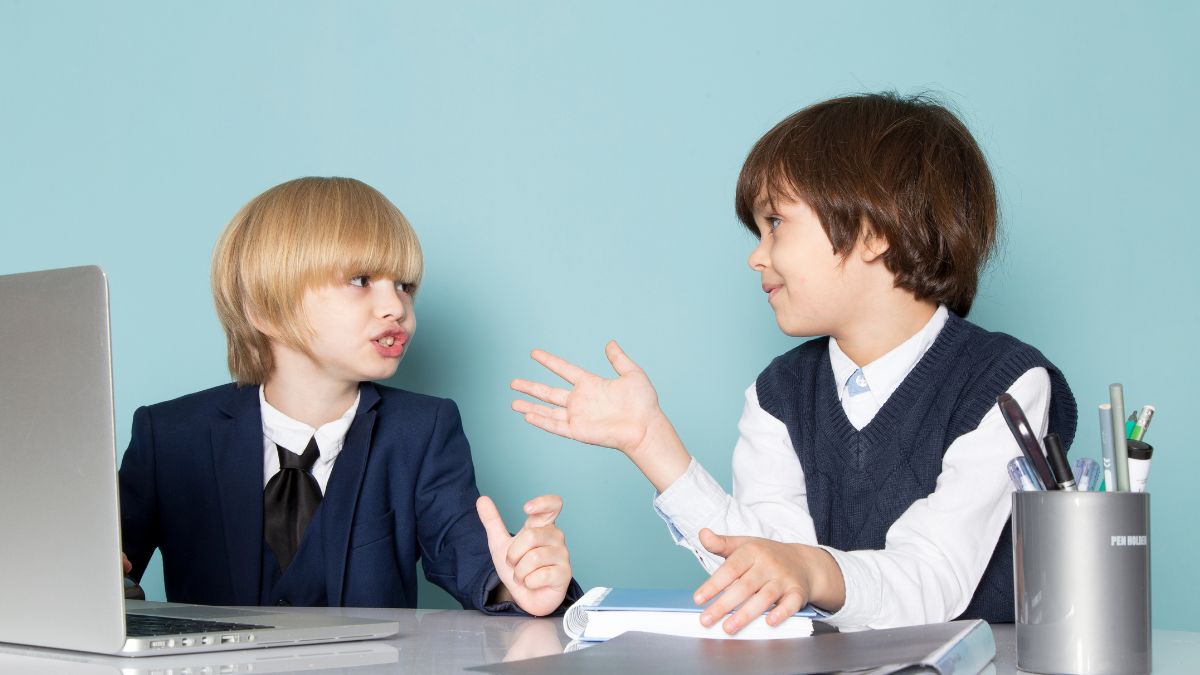
Social skills are the secret sauce for connecting with others, making friends, and navigating everyday life. Kids with autism often face unique challenges in this area. They may struggle with communication, maintaining eye contact, or reading social cues. So how can we help? ABA therapy social skills programs are an evidence-based approach that teaches and reinforces social abilities. Over decades, research has shown that ABA can help children with autism improve their social skills. By focusing on clear steps and positive reinforcement, ABA opens doors for meaningful interaction.
What Are Social Skills and Why Do They Matter?
Social skills are all about communicating and interacting effectively with others. They help us make friends, collaborate, and navigate daily life. Skills like taking turns, listening, starting a conversation, and reading social cues are at the heart of social interaction.
For children with autism, acquiring these skills can be more challenging. They may struggle to interpret social dynamics or express themselves clearly. That’s where ABA therapy social skills support comes in. Early development of social skills sets children up for success. Kids with strong social skills are more likely to form positive relationships with peers, family, and teachers. They enjoy cooperative play and develop better emotional and cognitive abilities.
On the other hand, children with communication skills autism challenges may face difficulty forming peer relationships. They may act out or struggle academically. Prioritizing social skill development early can reduce frustration and open pathways for positive growth in school and everyday life.
How Does ABA Therapy for Social Skills Work?
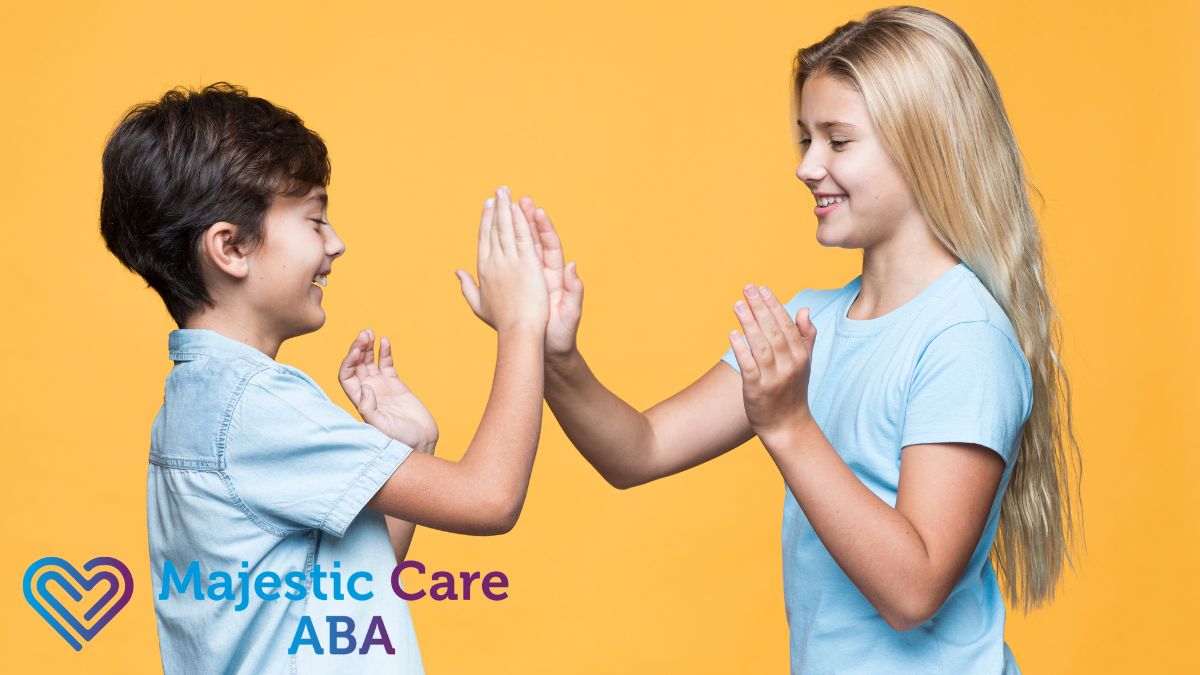
ABA therapy uses evidence-based techniques to teach social skills step by step. One key strategy is positive reinforcement, rewarding a child for a desired behavior, which makes it more likely to happen again.
Here are some ways ABA teaches social skills:
1. Discrete Trial Training (DTT)
Skills are broken into small, teachable steps. For example, a child may practice responding to “Hello” with an RBT before trying it with peers. Each step is reinforced until the skill becomes natural.
2. Modeling
Therapists demonstrate the behavior for the child to imitate. For instance, the RBT might show how to ask a peer to play, then encourage the child to try it.
3. Role-Playing
Children practice skills in controlled scenarios. A therapist may guide them to ask for help or share toys. Feedback and reinforcement follow each attempt.
4. Natural Environment Training (NET)
Skills are practiced in real-life settings. Kids might play tag or participate in music class. Reinforcement occurs during natural interactions. NET helps children generalize skills, so they work outside therapy.
Each approach is tailored to the child’s abilities. Consistent practice over time encourages long-lasting change.
Studies and Statistics: Why ABA is a Top Choice
Research shows ABA can lead to meaningful gains in social and communication skills. Here are some key findings:
| Study | Key Finding | Outcome |
| Lovaas (1987) | Early Intensive Behavioral Intervention (EIBI) can produce major positive outcomes. | A significant number of children achieved normal intellectual and educational functioning. |
| Eldevik et al. (2009) | Compared EIBI with standard community interventions. | EIBI group showed higher IQ and adaptive behavior gains, including social skills improvements. |
| Sallows & Graupner (2005) | Examined intensity and setting of ABA programs. | Both clinic-based and in-home programs improved social functioning and communication. |
Leaf et al. (2016) also showed that ABA interventions targeting reciprocal conversation and play skills led to real improvements in social interaction. These studies prove that behavioral therapy autism is not just about reducing challenges, it builds functional, positive skills.
Benefits of ABA Therapy for Social Skills

ABA therapy can have exciting, practical benefits for children with ASD.
Improved Communication
ABA helps children with verbal, non-verbal, and pragmatic communication. Kids learn to understand others’ perspectives while expressing their own. Imagine a child learning to ask, “What game are you playing?” and waiting for an answer. This small step is a big leap in social growth.
Increased Social Initiation
Children learn social rules and feel more confident engaging with others. They try new activities, start conversations, and build friendships.
Reduced Problem Behaviors
ABA teaches alternatives to tantrums or aggression. Kids learn to express frustration with words, not actions. Positive interactions replace problem behaviors, making social settings calmer and more enjoyable.
Improved Relationships
With these skills, children form meaningful connections with peers and family. Social interactions become easier, more rewarding, and less stressful.
Example:
Consider Mia, a 7-year-old learning ABA therapy social skills. At first, she struggled to join her classmates during recess and often became frustrated when games didn’t go her way. Through ABA, she learned to ask, “Can I play with you?” (improved communication) and wait for a reply. She practiced taking turns and following simple game rules (increased social initiation). When she felt upset because someone took a toy, she used words like, “I’m frustrated, can I have a turn next?” instead of yelling (reduced problem behaviors). Over time, Mia began forming friendships, laughing with peers, and sharing activities more confidently (improved relationships). This single, real-world example shows how ABA therapy supports communication, confidence, emotional regulation, and meaningful social connections all at once.
In-Home ABA Therapy: A Personalized Path to Progress
Many parents ask: Should therapy happen in a clinic or at home? ABA therapy near me options now include in-home programs that offer unique advantages.
Practicing skills in the home setting ensures kids can use them in real life. Sharing a toy with a sibling in the living room is practice they can directly apply. Families can participate, too. Parental involvement has been shown to boost language and social communication skills. When parents learn ABA techniques, children continue learning outside therapy sessions.
Communication Skills Autism: More Than Talking
Social communication isn’t just words. It’s a give-and-take dance.
Non-Verbal Cues
Children learn to interpret body language, facial expressions, and tone. Video modeling shows kids how emotions connect to actions.
Reciprocity in Conversation
ABA teaches children to engage in two-way conversation. For example, responding to a question and asking a related question like, “Do you like that show?” turns a simple answer into dialogue.
Perspective-Taking
Children learn that others have different thoughts and feelings. Social stories describe situations and expected behaviors, helping kids visualize interactions from another person’s point of view.
Example:
Imagine a child playing a board game with a peer: they notice the peer frowning (non-verbal cue) and ask, “Are you okay?” (reciprocity in conversation). The child then understands the peer is frustrated because their piece fell (perspective-taking) and suggests, “Do you want me to help you set it back up?” This single interaction teaches multiple social skills at once, reinforcing communication, empathy, and collaboration in a natural, real-world setting.
Autism Learning Support: ABA in Education
ABA doesn’t stop at therapy sessions. It works in school and community settings too.
Group Social Skills Training
Structured small groups allow children to practice turn-taking, teamwork, and problem-solving. Therapists guide interactions, creating safe spaces to make mistakes and learn.
Peer-Mediated Interventions
Neurotypical peers are trained to prompt social interaction and reinforce positive behaviors. A meta-analysis by Chan et al. (2009) found this approach increases social engagement for children with ASD. Using natural social relationships as learning tools is powerful and effective.
Case Example: Social Skills in Action
Take Nigel, a 6-year-old who struggles to start conversations. ABA therapy might include:
- Modeling: Therapist shows Nigel how to ask, “Can I play with you?”
- Role-Playing: Nigel practices with the therapist in a safe space.
- Reinforcement: Praise or preferred activities follow successful attempts.
- NET Practice: Nigel applies the skill during recess with peers.
Over several weeks, Nigel initiates play more frequently and successfully, demonstrating real-world skill generalization.
Measuring ABA Therapy Benefits
ABA progress is tracked through multiple methods:
- Behavioral Observations: Frequency and quality of social interactions.
- Progress Tracking: Comparing baseline and post-intervention behavior.
- Parent and Teacher Reports: Insights on how skills transfer across settings.
Studies consistently show improvement in communication, social interaction, and adaptive behavior when ABA is applied with data-driven approaches (Leaf et al., 2016).
Unique and Attention-Grabbing FAQ
Is ABA Only for younger children?
No! ABA can help across the lifespan. Programs like PEERS teach social, dating, and job skills to teens and young adults. Learning never stops.
Does ABA use toys and fun activities?
Yes! ABA uses interests and toys as motivators. In NET, a child who loves trains learns turn-taking, asking for toys, and cooperative play. Learning becomes play.
What happens after a skill is learned?
Reinforcement gradually fades. Instead of constant rewards, natural outcomes, like a friend smiling, maintain the behavior. This ensures skills last.
What is “Generalization” and why is it important?
Generalization is using a skill learned in one place in a new place. ABA plans for it carefully, so skills work in the real world.
Can empathy be taught with ABA?
Yes! ABA teaches observable empathy behaviors. Children learn to identify feelings, understand causes, and respond appropriately. For example: “Your tower fell, so your friend is sad. Ask if they need help.”
Building Social Confidence for a Brighter Future
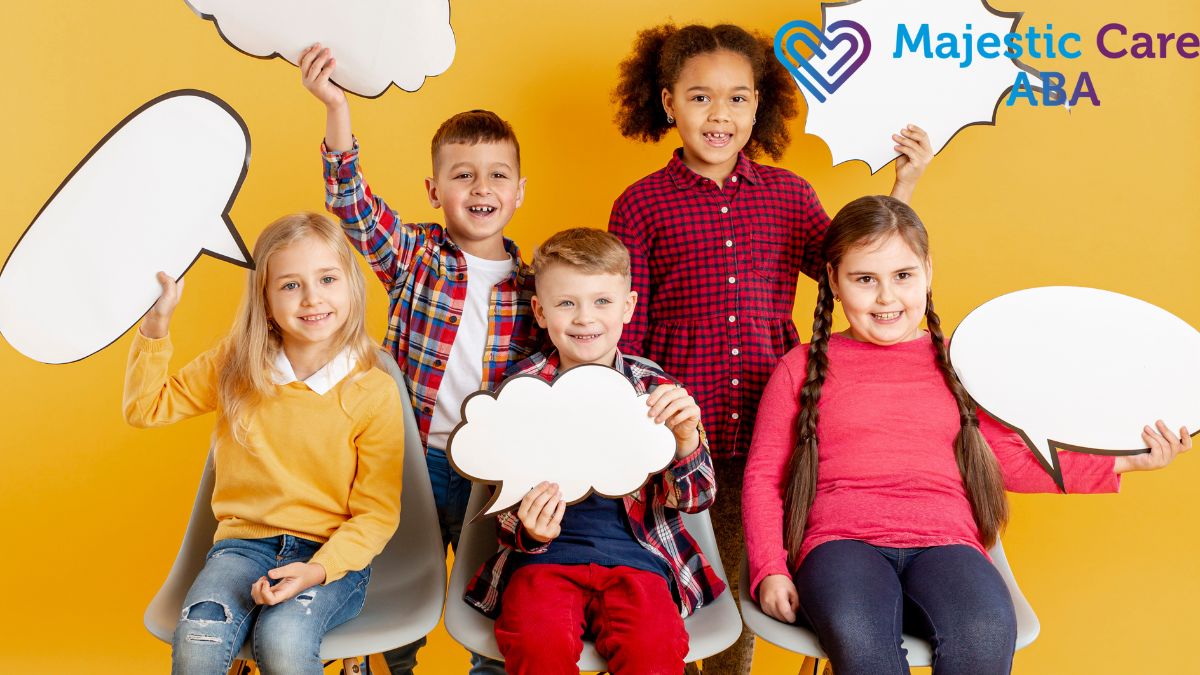
Social skills are essential tools for connection and everyday life. Majestic Care ABA provides a structured, positive framework to help children with autism master these skills. By breaking down complex conversations into simple steps and creating real-world practice opportunities, ABA supports lasting growth. Evidence shows children gain the ability to express themselves, initiate interactions, and understand others. With Majestic Care ABA, children in Colorado can experience meaningful progress in social skills, communication skills autism, and overall engagement with peers and family. Ready to see your child thrive? Reach out to us today to explore in-home ABA therapy, social skills training autism programs, and autism therapy programs tailored to your family’s needs. Every child deserves a chance to connect, communicate, and build lasting relationships, let’s make that journey possible together.